Prefer to listen? Your phone or computer can read this page aloud. Here's how
You have been managing. Coping. Holding it together. And then one day you cannot. Not because something dramatic happened, but because you have quietly been running on empty for months and your brain has finally said no.
ADHD and AuDHD burnout is not the same as regular tiredness. A weekend off will not fix it. A holiday might help briefly, but the pattern starts again the moment you get back. It is deeper than fatigue. It is what happens when your brain has been compensating for too long without enough support.
What ADHD/AuDHD burnout looks like
- Tasks that used to be manageable now feel impossible
- Your coping strategies stop working. The systems, the lists, the routines, none of them hold
- Decision-making becomes paralysing. Even small choices feel overwhelming
- You withdraw from people, not because you do not want to connect but because you have nothing left to give
- Emotional regulation gets worse. You are more reactive, more tearful, more easily frustrated
- You feel guilty about all of it, which makes everything harder
Not sure where you are with burnout?
Take the free Am I Burnt Out? self-test. Five short sections, and you will get your personal results for where you are right now, plus tailored guidance for where to focus first.
Why ADHD and AuDHD brains burn out differently
Neurotypical burnout is usually caused by too much work over too long a period. ADHD and AuDHD burnout has an extra layer: the cognitive cost of compensating.
Every day, an ADHD or AuDHD brain is working harder than a neurotypical brain to do the same things. Remembering appointments, filtering distractions, managing time, regulating emotions, keeping track of conversations. That invisible effort accumulates. And because it is invisible, nobody, including you, notices until it is too late.
Masking makes it worse. If you have spent years appearing competent and together, you may not even recognise that you are burnt out. You just think you have suddenly become bad at everything.
What helps
Recovery from ADHD and AuDHD burnout takes longer than regular tiredness. The shape of it is: reduce the load, let the nervous system come down, and slowly rebuild. Here is where I see clients start.
- Reduce the load. Not just the workload, the cognitive load. Simplify decisions, drop non-essential commitments, and stop saying yes to things that drain you.
- Stop masking where you can. Every hour you spend performing “fine” is energy you do not have. Be honest with the people close to you about how you are really doing.
- Prioritise regulation. Sleep, movement, food, quiet. These are not luxuries. They are the foundations that everything else depends on.
- Get support. Burnout is not something to push through alone. A coach, a therapist, a GP. Someone who understands what is happening and can help you find a way back.
Back From Burnout: the recovery programme
My self-paced recovery programme for adults with ADHD or AuDHD: nine short modules, twenty-two practical tools and one personal recovery plan, built for a brain with very little energy left. £97, or £447 with three coaching sessions with me.
Book Your Free Discovery Session →
Part of a series on ADHD burnout. The full guide pulls it together: ADHD Burnout: Signs, Causes and Recovery.
Related reading
- Recovering from Burnout with ADHD/AuDHD: It Is Not About Trying Harder
- Spoon Theory and ADHD/AuDHD: Why Managing Energy Matters More Than Managing Time
- Energy Management with AuDHD: Why You Run Out Before the Day Does
Get the free guide, and join my weekly newsletter
Sign up and I will send you my free guide, 5 ADHD-Friendly Organisation Hacks (and how to make them stick), straight away. You will also join my weekly newsletter with practical strategies for adults with ADHD and AuDHD. Unsubscribe any time.
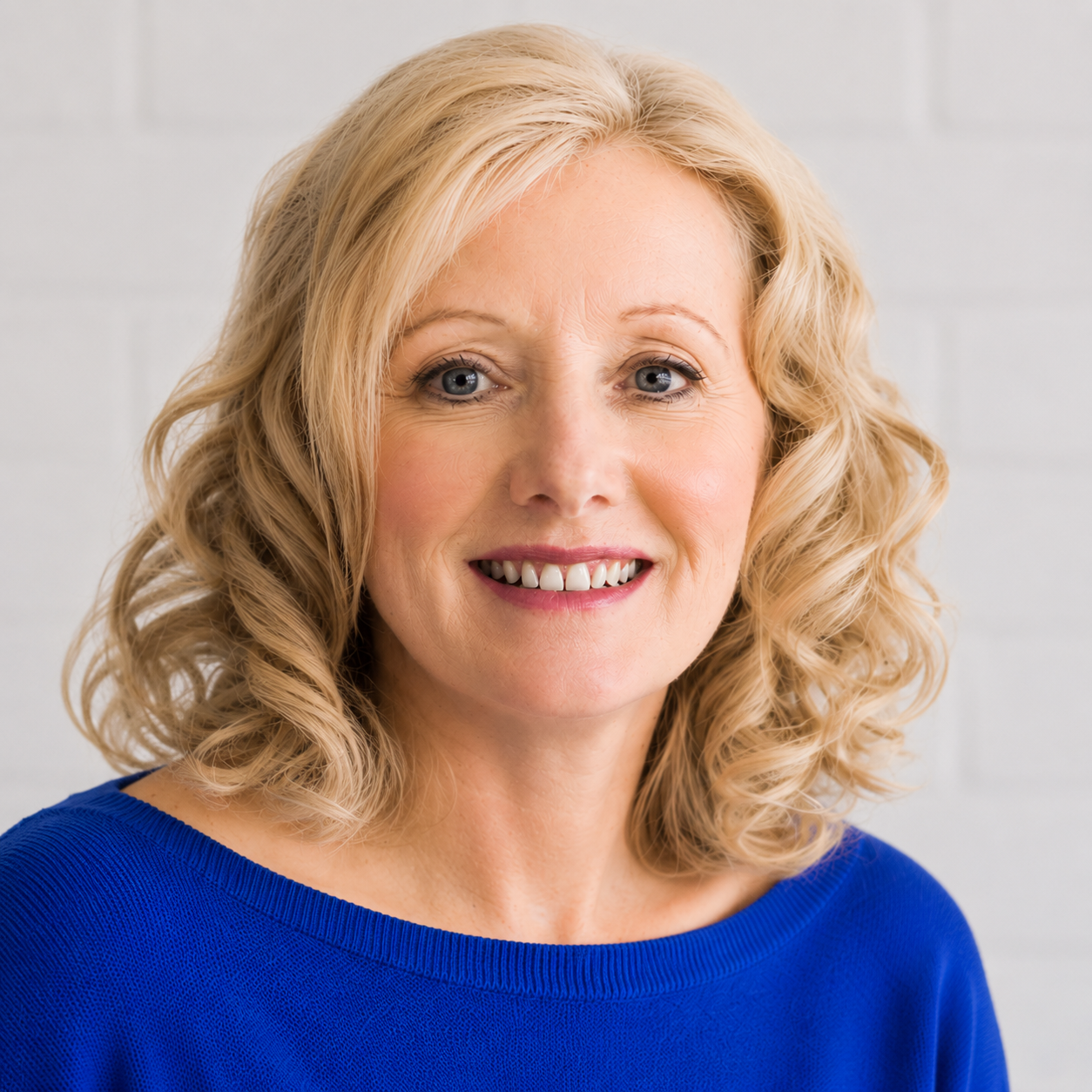
About Linda Fox
Linda is an ICF-ACC credentialled adult ADHD coach (ADHD Life & Business Coach, CALC), with lived experience of ADHD herself. She has been coaching adults with ADHD since 2000, one of the very first specialist ADHD coaches in the UK.
She works with entrepreneurs, legal and medical professionals, and others navigating demanding careers, helping them build practical strategies that fit how their brain actually works rather than fighting against it.
UK-based, supporting clients with ADHD and AuDHD worldwide on Zoom.