You have been wondering for a while. Maybe a friend mentioned it, maybe you read an article that made everything click, maybe you have just always known your brain works differently. A short self-test is often the first useful step.
About this self-test
The questions below come from the World Health Organisation Adult ADHD Self-Report Scale (ASRS), the same screening questionnaire used by GPs and clinicians. It takes about five minutes and asks eighteen questions about your day-to-day life.
It is a screening tool, not a diagnosis. Only a clinician can diagnose ADHD. What this test can do is give you a clear sense of whether the patterns of adult ADHD show up in your life, and whether it is worth taking the next step.
What to expect
You will see your score on screen straight away. You will also receive a PDF of your full results by email, with a short note about what your result might mean and what to do next. We do not share your details, and you can unsubscribe from the follow-up email at any time.
Understanding your result
If your result shows a strong likelihood of ADHD: you have a clear pattern that aligns with adult ADHD. The next step many people take is asking their GP for a referral for formal assessment, or working with an ADHD coach to start understanding what would help in practice.
If your result shows a moderate likelihood: the patterns are there, but mixed. Some people in this band are clearly ADHD, others have ADHD-like patterns from stress, burnout, hormonal changes, or another underlying cause. A conversation with a coach or clinician is often the most useful next step.
If your result shows little likelihood: ADHD is unlikely to be the right frame for what is going on. That is also useful information. Other things can affect the same areas of life, and many of those are easier to work with once ruled out.
What to do next, whatever your result
Most people take one of these paths:
- If you want to understand your specific cognitive strengths and where to lean, take the Executive Function Strength Profile (£69, one payment, yours to keep). Far more detailed than this self-test.
There is no rush. Whatever the result, you have time.
About me
This self-test is hosted by Linda Fox, an ICF-ACC credentialled ADHD Life & Business Coach coaching since 2000, with lived experience of ADHD. The questions are taken directly from the WHO Adult ADHD Self-Report Scale used in clinical practice. The interpretation is mine, drawn from coaching hundreds of adults through their first conversation about ADHD.
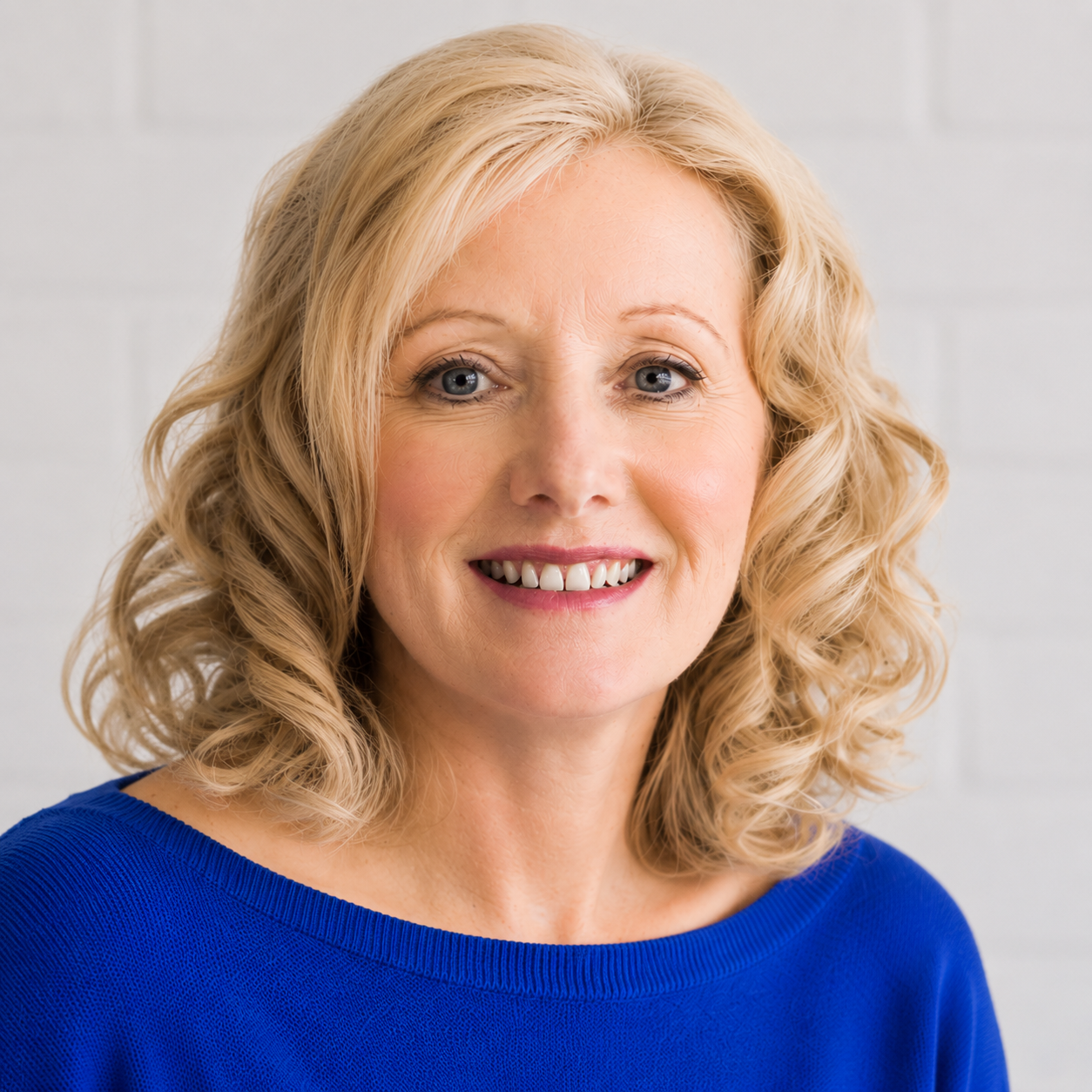
About Linda Fox
Linda is an ICF-ACC credentialled adult ADHD coach (ADHD Life & Business Coach, CALC), with lived experience of ADHD herself. She has been coaching adults with ADHD since 2000, one of the very first specialist ADHD coaches in the UK.
She works with entrepreneurs, legal and medical professionals, and others navigating demanding careers, helping them build practical strategies that fit how their brain actually works rather than fighting against it.
UK-based, supporting clients with ADHD and AuDHD worldwide on Zoom.