Prefer to listen? Your phone or computer can read this page aloud. Here's how
If you have ADHD or AuDHD and you are in your late thirties, forties, or fifties, you may have noticed that your brain is not working the way it used to. Your medication feels less effective. Your focus is worse. Your emotions are harder to regulate. Things that used to be manageable now feel impossible.
You are not imagining it. And it is not just “getting older.”
The oestrogen-dopamine connection
Your ADHD brain already runs low on dopamine, the neurotransmitter that drives focus, motivation, and emotional control. Oestrogen plays a direct role in how much dopamine your brain produces and how effectively it uses it.
When oestrogen is high, dopamine flows more freely. ADHD symptoms are easier to manage. When oestrogen drops, dopamine drops with it, and everything gets harder.
This is why many women notice their ADHD symptoms fluctuate with their menstrual cycle. The week before a period, when oestrogen drops, is often the worst week for focus, mood, and overwhelm.
What happens at perimenopause
During perimenopause, oestrogen does not just dip once a month. It becomes unpredictable. It surges and crashes. And over time, the overall level declines.
For a neurodivergent brain that was already working harder to compensate, this is significant. The strategies you built over years start to fail. Not because you have changed. Because the chemical support your brain relied on is no longer there.
Research shows that perimenopausal symptoms in women with ADHD are more severe and begin earlier than in women without ADHD. More than half of women with ADHD experience debilitating symptoms during this transition.
What this looks like
- Brain fog that was occasional becomes constant
- Working memory gets noticeably worse
- Emotional regulation becomes much harder
- Sleep deteriorates, which makes everything else worse
- Existing ADHD medication feels less effective
- Anxiety or low mood appear or intensify
- You feel like a completely different person
Why it gets misdiagnosed
The overlap between perimenopause and ADHD is enormous. Brain fog, mood swings, memory problems, sleep disruption, overwhelm. A GP who does not know about the oestrogen-dopamine connection may treat the perimenopause symptoms without ever considering ADHD.
For women who were never diagnosed with ADHD, this stage of life can be the point where everything breaks down. They have compensated their whole lives, and now the compensation is no longer enough.
And then menopause itself
Menopause is the point where periods have stopped for twelve months. By then, oestrogen levels have settled at a much lower baseline.
For some women, the wild fluctuations of perimenopause ease at this stage and things feel a little steadier, just at a lower set point. For others, the cognitive symptoms that arrived in perimenopause continue or intensify. Brain fog, working memory, processing speed, word-finding.
The good news is that you are no longer riding the daily oestrogen rollercoaster. The harder news is that the floor your brain now lives on is lower than it used to be, and your ADHD support strategies still need to account for that.
Post-menopausal women with ADHD or AuDHD often describe a quieter, flatter version of their symptoms. Less crashing, but also less of the natural lifts that oestrogen used to bring. This is when long-term routines, sleep, exercise, and where relevant HRT, do their most useful work.
What you can do
- Talk to your GP about both. Do not let the conversation be only about perimenopause or only about ADHD. They interact, and the treatment approach may need to address both.
- Consider HRT. Hormone replacement therapy can stabilise oestrogen levels, which in turn supports dopamine. For some women with ADHD, this makes a significant difference to focus, mood, and cognitive function. This needs medical guidance.
- Review your ADHD medication (if you’re taking ADHD meds). If your medication feels less effective, it may need adjusting. Hormonal changes can affect how stimulant medication works.
- Prioritise exercise. Movement directly increases dopamine. When your body is producing less oestrogen, exercise becomes even more important as a natural way to support the brain chemicals you need.
- Rebuild your systems. The strategies that worked in your twenties and thirties may not work now. That does not mean you are failing. It means you need new ones that account for where your brain is now.
- Be kind to yourself. You are navigating a major biological shift on top of an already demanding brain. Give yourself the same grace you would give a friend.
You are not losing your mind
Your brain chemistry is changing. That is not a character flaw. It is not burnout. It is not “just stress.” It is a real, physiological shift that affects how your neurodivergent brain functions.
Understanding the connection between hormones and ADHD is the first step to getting the right support.
If you’re wondering whether ADHD might be in the mix for you, the free Self-Test takes 5 minutes.
Take the Free ADHD Self-Test →
If you’re considering ADHD coaching, you can book a free 20-minute Discovery Session with me. We’ll talk about what’s going on for you and whether coaching is the right fit.
Book Your Free Discovery Session →
Get the free guide, and join my weekly newsletter
Sign up and I will send you my free guide, 5 ADHD-Friendly Organisation Hacks (and how to make them stick), straight away. You will also join my weekly newsletter with practical strategies for adults with ADHD and AuDHD. Unsubscribe any time.
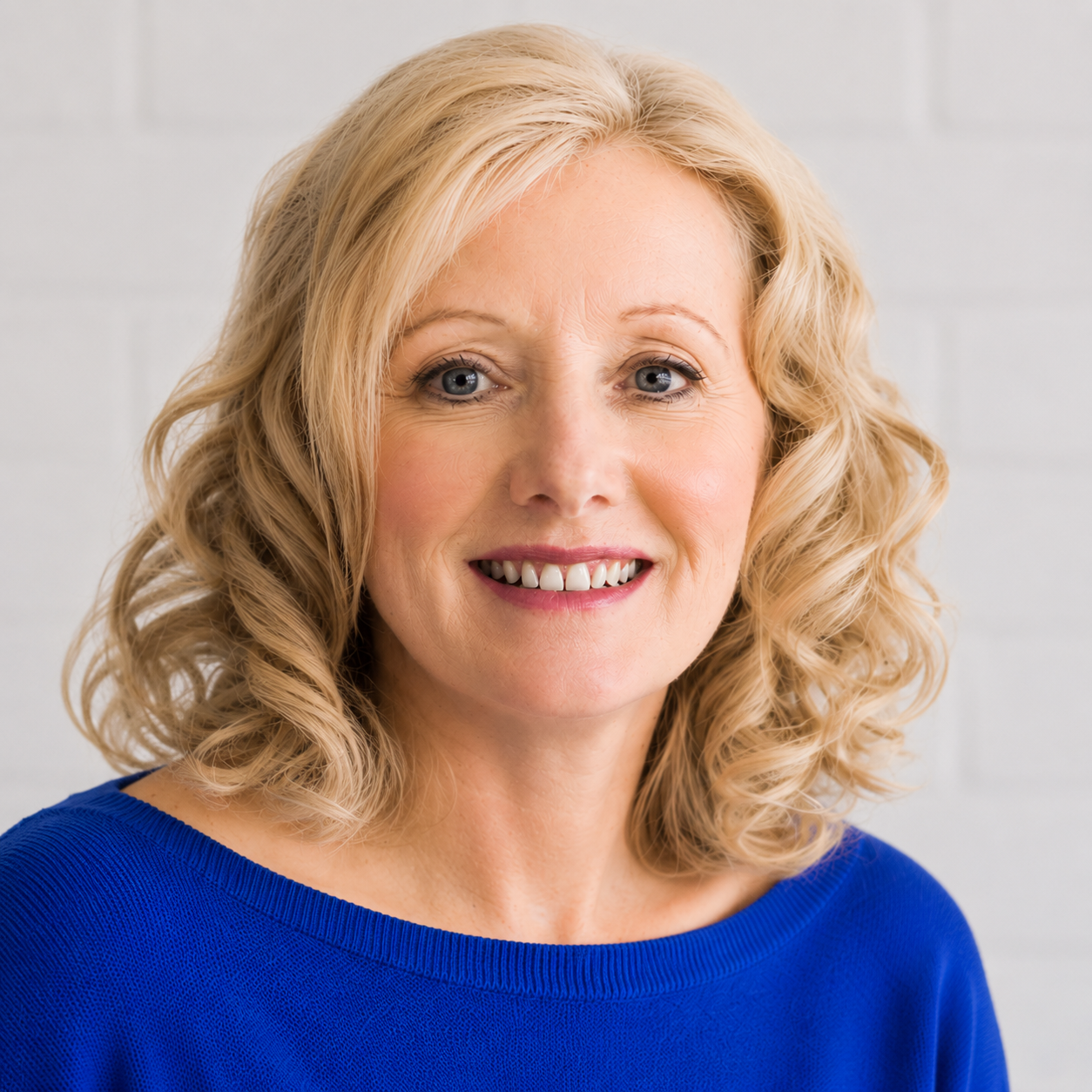
About Linda Fox
Linda is an ICF-ACC credentialled adult ADHD coach (ADHD Life & Business Coach, CALC), with lived experience of ADHD herself. She has been coaching adults with ADHD since 2000, one of the very first specialist ADHD coaches in the UK.
She works with entrepreneurs, legal and medical professionals, and others navigating demanding careers, helping them build practical strategies that fit how their brain actually works rather than fighting against it.
UK-based, supporting clients with ADHD and AuDHD worldwide on Zoom.