Prefer to listen? Your phone or computer can read this page aloud. Here's how
The alarm goes off at 6:30 because that is what productive people do. You batch your tasks because a podcast said it was efficient. You use a colour-coded calendar because someone on social media swore by it.
None of it works. And every time another system fails, you assume the problem is you.
It is not.
The system was designed for a different brain
Most of the advice on productivity, time management, and daily routines was created by and for neurotypical people. It assumes a brain that can sustain focus through boredom, estimate time accurately, hold multiple tasks in working memory, and switch between contexts without losing its thread.
If you are neurodivergent, whether that is ADHD, autism, dyslexia, dyscalculia, or any combination, your brain does not work that way. And forcing it to follow neurotypical systems is like trying to run Windows software on a Mac. It is not a performance issue. It is a compatibility issue.
What neurodivergent-friendly living looks like
It starts with accepting that your brain has its own operating system, and building around it:
- Work with your energy, not the clock. If you are sharpest at 10am, that is when the important work happens. If you crash at 3pm, that is not laziness. That is your biology.
- Use external systems for what your brain drops. Reminders, lists, timers, alarms. Not because you are forgetful, but because your working memory is allocated elsewhere.
- Stop comparing your process to other people’s. If you need music to concentrate, a messy desk to think, or three walks a day to regulate, that is your process. It does not need to look like anyone else’s.
- Ask for what you need. Adjustments at work, different formats for information, quieter environments. These are not special treatment. They are the conditions your brain needs to do its best work.
- Let go of the guilt. You are not lazy, stupid, or difficult. You are running a different operating system in a world that assumes everyone is on the same one.
Small shifts, big difference
You do not need to overhaul your life. You need to stop fighting your brain and start working with it. One small change, applied consistently, is worth more than a dozen systems you abandon after a week.
If you would like support finding what works for your brain, take the quick quiz to see whether coaching is the right next step.
Book Your Free Discovery Session →
Related reading
- What most ADHD advice gets wrong
- Why Traditional Productivity Advice Fails ADHD Entrepreneurs (and What to Use Instead)
- AuDHD: When ADHD and Autism Show Up Together
Get the free guide, and join my weekly newsletter
Sign up and I will send you my free guide, 5 ADHD-Friendly Organisation Hacks (and how to make them stick), straight away. You will also join my weekly newsletter with practical strategies for adults with ADHD and AuDHD. Unsubscribe any time.
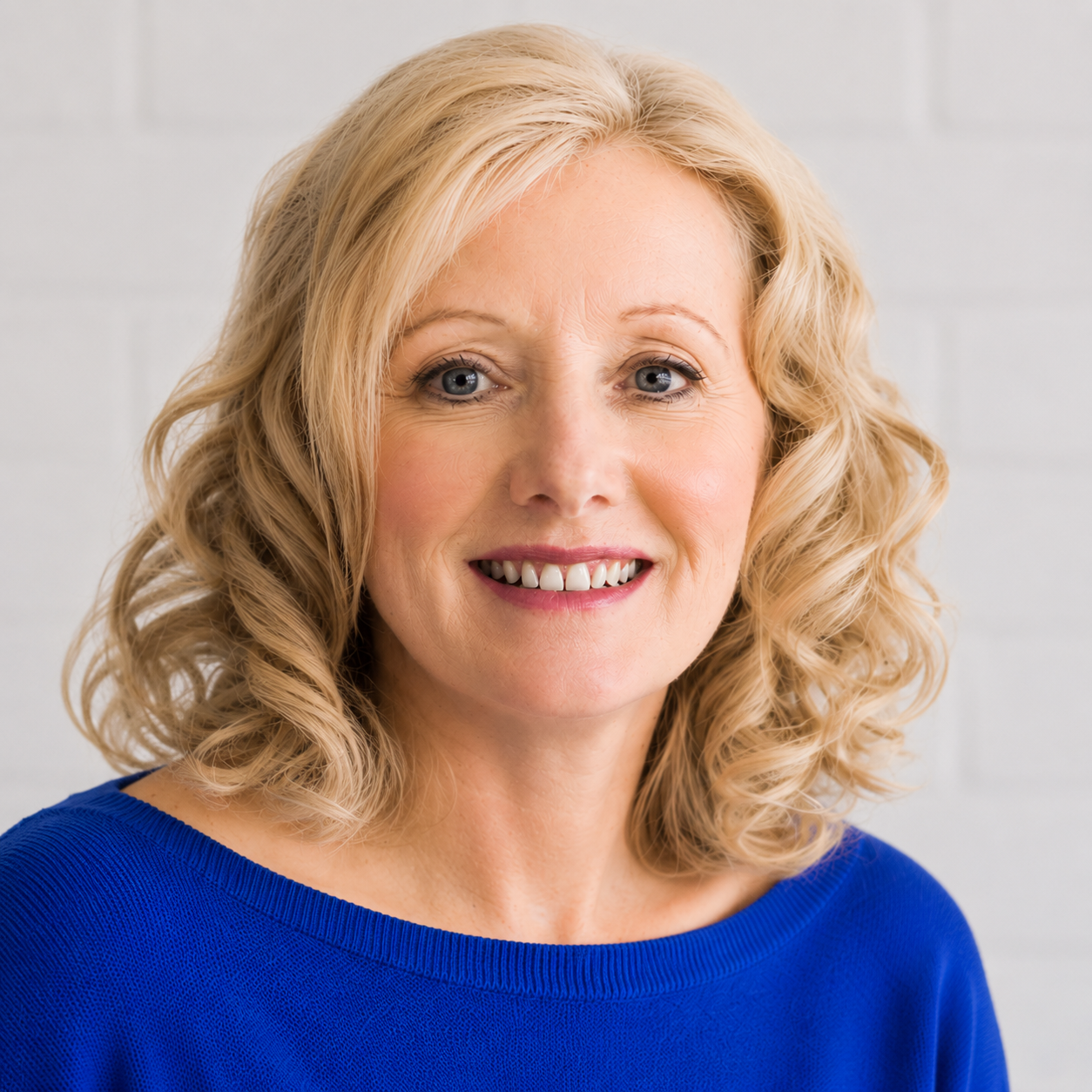
About Linda Fox
Linda is an ICF-ACC credentialled adult ADHD coach (ADHD Life & Business Coach, CALC), with lived experience of ADHD herself. She has been coaching adults with ADHD since 2000, one of the very first specialist ADHD coaches in the UK.
She works with entrepreneurs, legal and medical professionals, and others navigating demanding careers, helping them build practical strategies that fit how their brain actually works rather than fighting against it.
UK-based, supporting clients with ADHD and AuDHD worldwide on Zoom.