Prefer to listen? Your phone or computer can read this page aloud. Here's how
Some adults take the formal route to ADHD diagnosis. Some do not. There are very good reasons for both.
This piece is for the second group. You may have recognised yourself in everything you have read about Adult ADHD. You may have done the research, taken the self-tests, talked to others who got their diagnosis later in life. And you may have chosen, for reasons that make sense to you, not to pursue a formal assessment.
That is a valid path. It is also more common than it used to be, partly because UK NHS waiting lists run into years and partly because more adults are realising they can work with ADHD effectively without a formal label.
Coaching adults with ADHD and AuDHD since 2000, and as someone who lives with ADHD herself, here is what I would say to you about doing it this way.
What self-identifying actually means
Self-identifying with ADHD means recognising yourself in the patterns, the research, and the lived descriptions of adults who have ADHD, and choosing to operate as someone with an ADHD brain without a formal clinical diagnosis confirming it.
It does not mean self-diagnosis in the clinical sense. You are not claiming a medical label. You are saying: “These patterns describe me, and I am going to work with my brain on that basis.”
It is a practical choice, not a clinical one. The phrase “self-identifying” respects two things at once: that your experience is real, and that a clinical diagnosis is a different thing made by a clinician after assessment.
Many adults self-identify with AuDHD too, the overlap of autism and ADHD. The same principles apply, and the practical strategies in this guide work whether you identify with one neurotype or both.
Why adults choose this route
The reasons are varied, and most people have more than one. Common ones I hear in coaching sessions:
The NHS wait is too long. Years on a waiting list with no end in sight is not a workable plan for someone trying to function now. (If this is you, see On the ADHD Waiting List? What You Can Actually Do While You Wait.)
Private assessment is expensive. A full private assessment in the UK ranges from around £700 to over £1,500, and that does not include ongoing support or medication titration.
Medication is not the goal. For some adults, the practical strategies of coaching and self-management work well enough that medication is not what they are seeking. A formal diagnosis is mostly relevant if you want to be prescribed.
The system feels like more than they have capacity for. GP appointments, paperwork, assessments, follow-ups. For someone already struggling with executive function, navigating a slow and demanding bureaucracy is its own barrier.
They have done the work already. Years of reading, listening, observing themselves, talking to other adults with ADHD. They know what they are dealing with and want to get on with managing it.
Autonomy matters more than a label. Some adults simply do not want to be on a clinical register. That is their right.
They have been told no. Some people have sought assessment and been refused for various reasons. Self-identifying is a way of continuing to work with their reality despite the system.
None of these reasons are wrong. They are practical responses to a system that does not work equally well for everyone.
What you can do without a diagnosis
Most of the support that genuinely helps an ADHD brain does not require a diagnosis to use. The strategies, frameworks, and tools that work are available to anyone. A few of the ones I would point you to:
Build a clear understanding of your own brain. Pay attention to your patterns. What time of day do you function best? What environments drain you? What kinds of tasks do you avoid, and what helps you start? Make notes. You are gathering evidence about yourself.
Use the daily strategies that work for ADHD and AuDHD brains. Externalise your memory with lists and alarms. Body double for hard tasks. Match the task to the energy you actually have. Break big tasks into start-tasks not finish-tasks. Reduce decisions by planning ahead. For AuDHD readers, some of these may need adapting for sensory needs and processing differences, and the principles still apply.
Find community. Peer support, online or in person, with other adults who recognise the same patterns. This is one of the most underrated forms of help.
Consider ADHD coaching. Coaching does not require a diagnosis. The work is practical, focused on building strategies and self-knowledge for your particular brain. Look for a coach with formal Adult ADHD training (ICF-ACC, ADDCA, iACT, Gold Mind or Neurodiversity Academy are reputable training routes) and ideally lived experience of ADHD themselves. How to find a properly qualified ADHD coach in the UK covers what to look for in detail.
Educate yourself in measured doses. Read books and articles by adult ADHD specialists. Avoid the doom-scrolling end of ADHD social media, which tends to amplify worst-case thinking. Learn at your own pace.
When self-identification works well
Self-identifying tends to work well when:
- You have a stable enough life that you can experiment with strategies without high stakes
- You have access to other support (a partner who understands, a workplace that is flexible, friends who get it)
- You are not in a mental health crisis
- You are not relying on a diagnosis for school adjustments or workplace accommodations that specifically require one
- Your goal is practical management rather than medication
- You have done your homework and know what you are working with
Many adults thrive on this path. The work of self-understanding and self-management is genuinely effective when applied consistently.
When formal diagnosis still matters
Self-identification has clear limits, and being honest about them is part of working with the path well. Formal diagnosis still matters if:
You want medication. ADHD medication in the UK requires a clinical diagnosis. If stimulant or non-stimulant medication is something you want to explore, you need to go through assessment.
You need workplace adjustments that require formal evidence. Some employers will arrange reasonable adjustments under the Equality Act 2010 without a formal diagnosis, but many require documented assessment. Access to Work does not strictly require a formal diagnosis, but having one makes the process much smoother. Without a diagnosis, you may need to provide other documented evidence of how your difficulties affect your work.
You want school or university adjustments for your child. If a parent is self-identifying and seeking adjustments for their own child, the child still needs their own assessment.
Your mental health is significantly affected. Severe co-occurring conditions (depression, anxiety, trauma) often benefit from clinical care that runs alongside an ADHD assessment.
Your situation has changed and the strategies are no longer enough. It is fine to revisit the decision. Self-identification today does not preclude pursuing diagnosis later.
The choice is not forever, and it is not a betrayal of yourself to change your mind.
Conversations at work
This is one of the trickier parts. Disclosing self-identified ADHD at work has different implications from disclosing a formal diagnosis. A few practical points:
You are under no obligation to disclose. ADHD is private information.
You are also not protected in exactly the same way without a formal diagnosis. The Equality Act 2010 covers ADHD as a disability when it meets certain criteria, and most employers will treat a formal diagnosis as the trigger for formal adjustments. Self-identified ADHD sits in a softer category. You may get informal flexibility. You may not get formal accommodations.
If you decide to talk to your employer, frame it practically. “I work best when…” is often more useful than “I have ADHD.” Ask for specific things: a quieter desk, written rather than verbal instructions for complex tasks, flexible start times. The list of what helps you is more powerful than the label.
If you are in a profession with strict employment standards (medicine, law, civil service, regulated finance), think carefully about disclosure timing and language. Coaching can be useful for thinking this through.
Conversations with family and partners
This is often harder than the workplace conversation. Family members may not believe self-identified ADHD is real. Partners may worry it is an excuse. Older parents in particular may see ADHD as a children’s diagnosis that adults grow out of.
A few things that tend to help:
Lead with specifics, not the label. “I struggle with starting tasks even when they are urgent” is more persuasive than “I have ADHD.” Specific examples land where labels do not.
Acknowledge their concern. If a partner is worried, they often have a legitimate underlying concern about reliability or workload distribution. Address that directly.
Show what you are doing about it. Self-identifying is most credible when paired with visible action. Strategies, coaching, books, structures. You are not asking for permission to coast. You are explaining how you are working with your brain.
Give them resources at the right level. Some family members benefit from reading a single accessible article. Others need a longer immersion. Match the resource to the person.
Frequently asked questions
Is self-identified ADHD valid?
For practical purposes, yes. You are not making a clinical diagnosis (a clinician does that), but you are working with the reality of your own brain on the basis of accumulated evidence. The same applies for self-identified AuDHD. Many adults manage ADHD or AuDHD effectively this way. The validity of your experience does not depend on a formal diagnosis.
Can I get workplace adjustments without a formal diagnosis?
Sometimes, depending on the employer. Many employers will arrange informal flexibility (quieter workspace, written instructions, flexible hours) without a formal diagnosis. Formal adjustments under the Equality Act 2010 are easier to secure with documented assessment. Access to Work does not strictly require a formal diagnosis, but having one makes the process much smoother. Without a diagnosis, you may need to provide other documented evidence of how your difficulties affect your work.
Should I tell my GP I think I have ADHD?
Yes, if it is useful to you, but you are not obligated to. Telling your GP creates a record, which can be helpful if you later pursue assessment or want medication, and it opens the door to a referral. You can also work with your patterns without involving your GP at all if you prefer.
Can I do ADHD coaching without a diagnosis?
Yes. ADHD coaching does not require a diagnosis. The work is about building self-knowledge, strategies, and skills that fit your particular brain. Many of my coaching clients begin without a formal diagnosis and some never pursue one. (For a fuller answer, see Will ADHD Coaching Help Before I’m Diagnosed?)
What if I change my mind and want to seek diagnosis later?
You can. Self-identifying today does not commit you to anything. Many adults reach a point where formal assessment becomes useful (often related to medication, workplace adjustments, or a major life change) and pursue it then. The self-knowledge you built in the meantime is not wasted.
Next steps
If you are working with self-identified ADHD and want more structure, the most practical place to start is the free ADHD Self-Test or the free How Your Brain Works snapshot. Neither is a diagnosis. Both are useful tools for understanding what your brain is doing.
And if you would like to talk through how coaching might support you specifically, my Discovery Session is a free, twenty-minute call on Zoom. No pressure. Just an honest conversation about whether coaching might help, and an honest answer if it would not.
Book Your Free Discovery Session →
Get the free guide, and join my weekly newsletter
Sign up and I will send you my free guide, 5 ADHD-Friendly Organisation Hacks (and how to make them stick), straight away. You will also join my weekly newsletter with practical strategies for adults with ADHD and AuDHD. Unsubscribe any time.
About Linda Fox
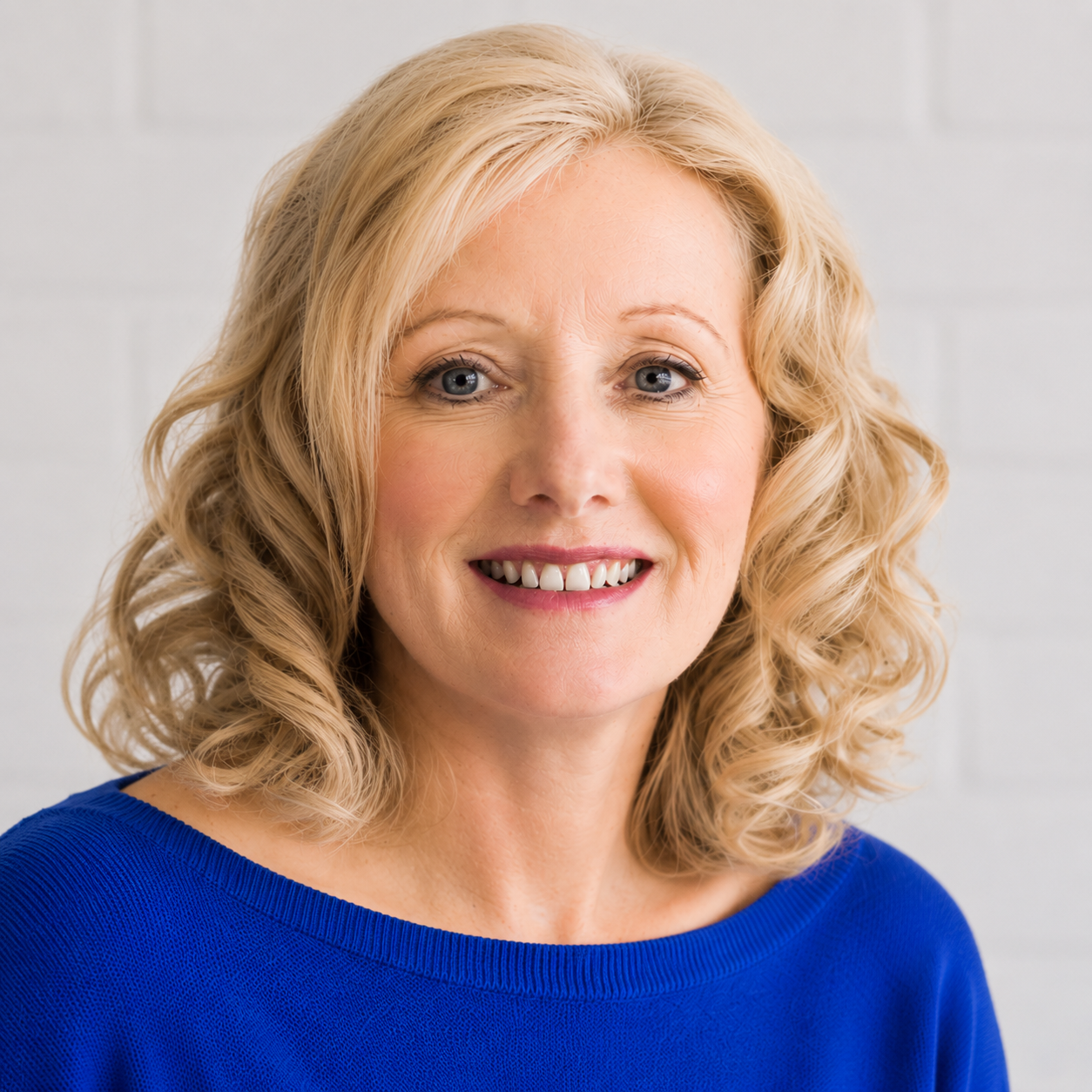
Linda is an ICF-ACC credentialled adult ADHD coach (ADHD Life & Business Coach, CALC), with lived experience of ADHD herself. She has been coaching adults with ADHD since 2000, one of the very first specialist ADHD coaches in the UK.
She works with entrepreneurs, legal and medical professionals, and others navigating demanding careers, helping them build practical strategies that fit how their brain actually works rather than fighting against it.
UK-based, supporting clients with ADHD and AuDHD worldwide on Zoom.