Prefer to listen? Your phone or computer can read this page aloud. Here's how
Yes. All the things we work on in coaching help, whether or not you’re diagnosed, and whether or not you’re on medication.
That isn’t a soft answer to make you feel welcome. It’s a practical one. Coaching since 2000 adults with ADHD or AuDHD, I’ve watched the same pattern hundreds of times. The work we do in sessions is useful long before a clinical letter arrives. It’s still useful after one does.
This piece is for you if you’re:
- Waiting for an NHS or private ADHD or AuDHD assessment.
- Exploring whether you might have ADHD or AuDHD without a formal diagnosis.
- Genuinely undecided about whether you want a diagnosis at all.
Different starting points. Same honest question: will coaching help?
The honest short answer
Yes, for almost everyone who walks through the door.
The reason is simple. ADHD and AuDHD aren’t switched on by a piece of paper. They’ve been part of how you think, focus, plan, regulate energy, and remember things for years. Probably decades. A diagnosis names what’s already there. It doesn’t change the underlying patterns.
So when we work together on building a life around your strengths and putting things in place to cope with the weaker areas, the work doesn’t care whether you have the letter yet.
What does change after diagnosis? Mostly three things: access to medication if you want to try it, formal workplace adjustments in some contexts, and the personal sense of clarity that comes from a name. Coaching helps with everything else. It also helps you make the most of all three of those, when and if they happen.
What ADHD coaching actually does
Coaching is non-clinical. It isn’t therapy. It isn’t assessment. It isn’t a substitute for medical care.
What it is: a working partnership between you and a trained coach, focused on the things that shape your day. The agenda is yours. You choose the topic of each session. The content unfolds from there, between us. Around 45 minutes on Zoom, regular enough to build momentum, structured enough to keep moving.
Two things sit at the heart of the work.
Building a life around your strengths. Most of us have been taught to focus on what’s wrong with us. Strengths-first coaching turns that around. We start by mapping what your brain actually does well, the work you find absorbing rather than draining, and we shape your week so those parts get to lead. When your day is built around your real strengths, more becomes possible than you’d expect. This is the part that makes all the difference.
Putting things in place to cope with the weaker areas. Then we look at the parts that drain you. Starting tasks. Sitting through admin. Holding attention through the boring middle bit. We don’t pretend those will become easy. We put tools and structures around them so they cost less to get through. A small scaffold around a hard thing helps enormously.
Underneath both, we notice. We notice what’s been an ADHD or AuDHD pattern for years. We notice what your strengths actually are, not what you’ve been told to value. We notice what a tool gives you and what it costs. Insight without action stays theoretical. Action without insight tends to slip. We do both.
Three pre-diagnosis paths I see most often
Most people who come to me without a formal diagnosis fall into one of three groups.
You’re on a waiting list. NHS waits run from about a year to more than seven, depending on region. Right to Choose can shorten that significantly in England, with caveats around shared-care agreements. You don’t want to lose the time in between, especially if life feels heavy right now.
You’re self-identifying. You’ve read, listened, sat with the question, maybe completed a few self-assessments, and you know. A formal label may or may not ever feel important to you. What you want is to live well with how your brain actually works, and to stop running yourself into the ground trying to be someone else’s version of capable.
You’re still exploring. You’re not sure yet whether ADHD or AuDHD fits, and you’d rather work on what’s hard now than spend another year reading about it. Coaching gives you a structured way to test what helps, alongside someone who’s been working with this for since 2000.
All three benefit from the same core work. The framing shifts. The work itself doesn’t.
What your first three sessions might look like
Coaching is client-led. You choose the topic for each session: what feels heaviest, what you most want to shift, what you’re curious about. I bring the questions, the structure, the noticing, and since 2000 of working with adult ADHD and AuDHD brains. Where it goes from there, we work out together.
That said, here’s roughly what early sessions tend to look like.
Session one. You arrive. We get to know each other. You share where you are now, what’s been heavy, what’s been working, what you’d like more of. We start to notice patterns. By the end, if it helps, you’ll have something small you want to try before we meet again.
Session two. You bring what’s surfaced since we last met. We follow what’s alive for you that day. That might be an executive function area like planning, time, or starting tasks. It might be a routine, or energy, or a pattern you’ve spotted in your week.
Session three. By now you’ll have a clearer sense of how you want to use the sessions. Some things will be easier. Some won’t have moved much. Both are useful information. We refine, swap out what isn’t fitting, and your own shape of the work starts to emerge.
What coaching isn’t designed to replace
Being honest with you matters more than being everything to you.
Coaching isn’t a substitute for clinical assessment. If you want a formal diagnosis, the route is your GP, an NHS referral, Right to Choose, or a private assessment. I can help you think through which route, what to expect, and how to prepare. I can’t diagnose.
Coaching isn’t a substitute for medication conversations. If you’re considering medication, or already on it, that’s a conversation with your GP and prescribing psychiatrist. I work alongside that, never instead of it. Many of my clients are on medication. Many aren’t. The coaching work helps either way.
Coaching isn’t a substitute for formal workplace adjustments in cases where you need a paper trail. Access to Work funding for ADHD coaching doesn’t strictly require a confirmed diagnosis, but having one makes the process much smoother, and some employers will ask for documentation. We can talk about what’s open to you with or without the letter.
Coaching isn’t a substitute for mental health crisis support. If you’re in acute distress, if there’s active addiction, or if you’re not safe, the right next step is a GP, NHS 111, or a specialist service. Coaching can stand alongside any of those once you’re stable, not in place of them.
How to decide if now is the right time
A few quick checks.
Now is probably a good time if:
- You can show up to a 45-minute Zoom session most weeks, and want to.
- You’re ready to test small things between sessions, not just talk about them.
- You’re not in active crisis or mid-emergency. If you are, look after that first.
- You’re curious about how your brain actually works, and willing to be honest about it.
Now might not be the right time if:
- You’re in a major life event with nothing spare. Wait a few weeks.
- You’re hoping coaching will fix something only medication can address.
- You want a clinical answer before you do anything else, and that feels important to you. Get on the list, then come back.
Most people who wait on this question for months end up wishing they’d started sooner. The work compounds. The earlier you begin, the more time you have to live with what you learn.
Frequently asked questions
Will ADHD coaching help if I don’t have a diagnosis at all?
Yes. The work is about your patterns, your strengths, and your executive function. None of that depends on a letter. Many of the adults I work with don’t have a formal diagnosis, and the work still moves.
What if I’m not sure I want to be diagnosed?
That’s a valid path. Some people find a name useful. Others find it unnecessary, or want to manage things without it. Coaching doesn’t depend on you choosing one or the other. If that question feels live for you, I’ve written separately about living with self-identified ADHD.
Does coaching work alongside medication, or instead of it?
Alongside. Medication is a conversation between you and your GP or psychiatrist. Coaching is a separate strand that often works well with medication, and equally well without. Many clients are on medication. Many aren’t. The coaching work helps either way.
What if I have ADHD and autism (AuDHD)?
A meaningful share of the adults I work with are AuDHD. I adapt my coaching where sensory needs, processing differences, or energy regulation need different approaches. I’m not an autism specialist. I am a coach who’s worked with AuDHD clients for years, in plain language, with respect for how your brain works.
I’m on the NHS waiting list. Should I wait until I’m seen, or start now?
You don’t need to wait. Coaching alongside a long wait is one of the most practical things you can do, and the work transfers cleanly into whatever happens after you’re seen. If you want a longer read on this, the waiting list guide covers more options.
Ready to find out if coaching fits?
The fastest way to know is a free 20-minute Discovery Session on Zoom. We talk through where you are, what you’re looking for, and whether coaching makes sense for you right now. No pressure to book anything after.
Book Your Free Discovery Session
Get the free guide, and join my weekly newsletter
Sign up and I will send you my free guide, 5 ADHD-Friendly Organisation Hacks (and how to make them stick), straight away. You will also join my weekly newsletter with practical strategies for adults with ADHD and AuDHD. Unsubscribe any time.
About Linda Fox
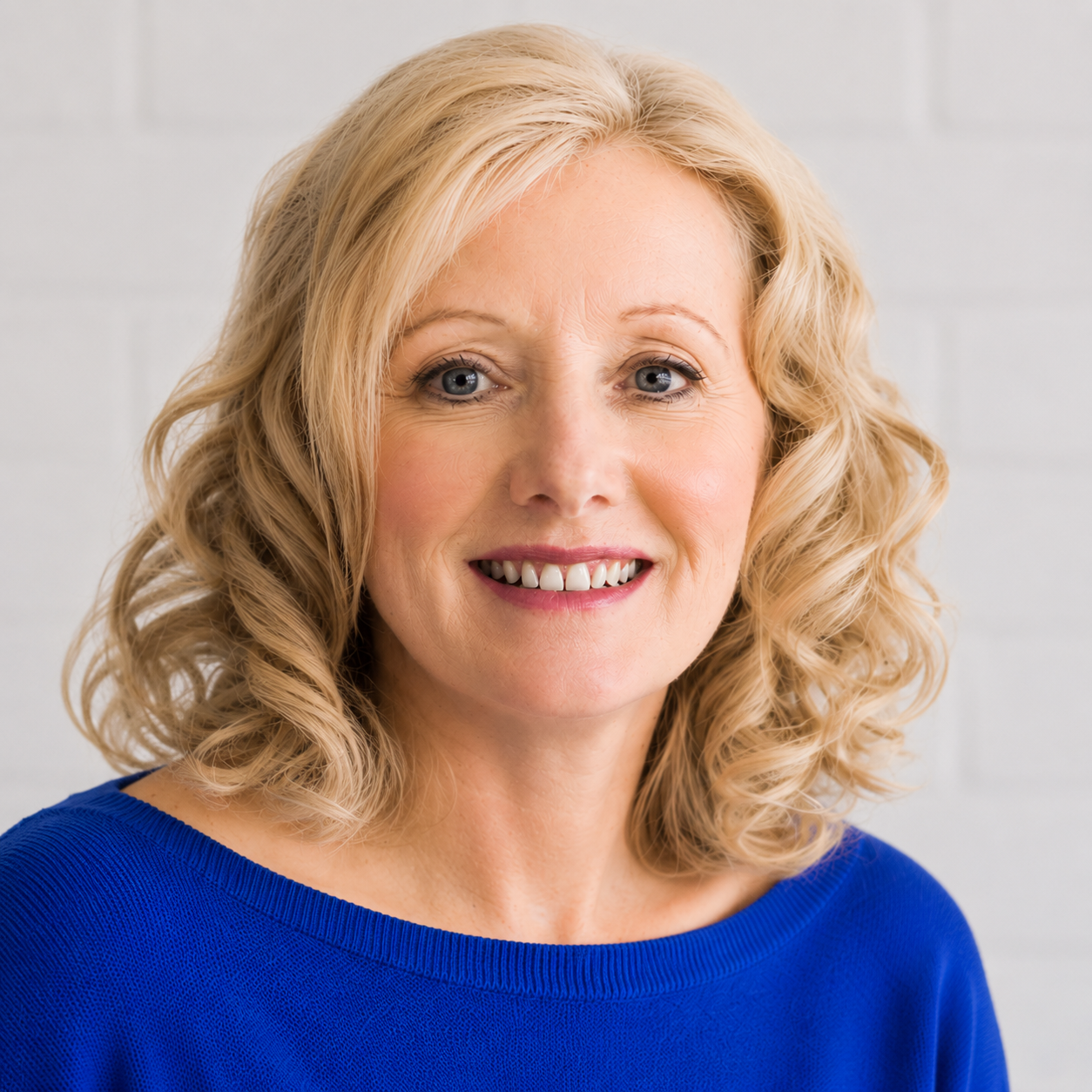
Linda is an ICF-ACC credentialled adult ADHD coach (ADHD Life & Business Coach, CALC), with lived experience of ADHD herself. She has been coaching adults with ADHD since 2000, one of the very first specialist ADHD coaches in the UK.
She works with entrepreneurs, legal and medical professionals, and others navigating demanding careers, helping them build practical strategies that fit how their brain actually works rather than fighting against it.
UK-based, supporting clients with ADHD and AuDHD worldwide on Zoom.