Prefer to listen? Your phone or computer can read this page aloud. Here's how
Most people on the NHS adult ADHD waiting list have not been waiting weeks. They have been waiting years.
In that time, the things that were already hard get harder. Relationships strain. Careers stall. The internal voice that says “you should be coping better than this” gets louder. And the answer that would change everything (just a name for what is happening to you) is on the other side of a long wait you cannot shorten.
This piece will not tell you that waiting is fine. It is not. It will not tell you that a diagnosis is the only thing that helps. It is not.
What it will do is set out what genuinely helps right now, from someone who has been coaching adults with ADHD since 2000 and AuDHD and lives with ADHD herself.
The wait, briefly
NHS adult ADHD waiting lists in the UK currently run anywhere from one year to more than seven years on the standard route, depending on where you live. Some areas are quicker. Some are far slower, with reports of waits exceeding ten years in some regions. Right to Choose, the legal route to ask the NHS to fund a private assessment instead, can shorten the wait significantly for many people (more on that below). The variation is geographic, not personal. Where you happen to be registered with a GP is the single biggest factor in how long you will wait.
The route, in plain English, is usually:
- GP refers you to your local NHS adult ADHD service.
- You join the waiting list.
- Years later, you have an assessment. If the assessment confirms ADHD, you may be offered medication and a titration period.
- Once stable, your care typically transfers to your GP under a shared-care agreement.
Several things have made the wait longer in the last few years: a surge in adult referrals after the pandemic, and an under-resourced NHS adult ADHD service that was never designed for this volume. The reasons are real. They are also not your responsibility to fix.
Right to Choose has caveats and trade-offs, and there is a separate piece in this series that covers it in detail.
What can genuinely help right now
The honest answer is “more than you might think.” The strategies that help ADHD and AuDHD brains are practical, body-based, and largely independent of having a label. You can start them today. Many adults find that by the time their assessment comes round, they are already running a life that works better than it did before.
Four things to focus on, in roughly the order I would suggest starting them.
1. Build a picture of your own brain
This is not self-diagnosis. It is self-observation.
Pay attention to when you struggle and when you flow. What time of day do you think most clearly? What environments quietly drain you? What kinds of work do you avoid, and what helps you start? When do you start doom-scrolling? When does your energy crash? Make a few brief notes when you notice something. Voice memos work too.
The point is not to label yourself. The point is to build the kind of self-knowledge that will be useful to you whether or not you receive an ADHD diagnosis. Most people are surprised by what they learn.
2. Use the daily strategies that help any brain
Strategies that work for ADHD brains tend to reduce friction for everyone. You do not need a diagnosis to use them. Worth trying:
- Externalise memory. Lists, alarms, sticky notes, visible reminders. Get the running tally out of your head.
- Body double for hard tasks. Working alongside someone (in person or on a call) helps your brain start.
- Match the task to the energy you actually have. Tasks that need focus for the hours when your mind is clearest. Tidying or admin for the slower hours.
- Break tasks into start-tasks, not finish-tasks. “Open the document” is easier to start than “write the report.”
- Reduce decisions. Pick your clothes the night before. Plan the week on Sunday. Each saved decision leaves more attention for the work that matters.
3. Find people who get it
Three of the most useful things on the waiting list are: a peer-support group, one or two friends who understand, and a community space where you do not have to explain ADHD before you can talk about it.
UK options worth exploring include local ADHD adult support groups (search your nearest city), ADHD UK, and various private membership communities. Specifically check for groups that welcome people without a formal diagnosis. Not all of them do.
A word of caution about social media. ADHD TikTok and Instagram have their place, and the glimpses of recognition are genuinely useful. But they are not assessment. They are not your brain in particular. Take what feels true, leave the rest.
4. Learn at your own pace
Read, listen, watch, but be a little careful about what.
The best ADHD content is grounded in research, written or presented by someone who works with adults clinically or as a coach, and balances strategies with the emotional reality of living with the condition. The worst is either too catastrophic or too oversimplified: either “your life is over” or “twelve productivity tips that will transform everything.” Avoid both.
Coaching while you wait, yes or no?
The short answer: often yes, with conditions.
ADHD coaching does not require a diagnosis. The coaching work is about building the skills, strategies, and self-knowledge that help your particular brain function better in your particular life. None of that depends on a formal diagnosis.
Coaching can be especially useful while you are waiting if you have something specific you want to work on (a project, a pattern, a recurring problem), you can commit to between-session work, and you are working with a coach who has specific Adult ADHD training and ideally lived experience.
Coaching is less useful pre-diagnosis if you are looking for someone to confirm or rule out ADHD (that is not what a coach does), you are in acute mental-health crisis (therapy comes first), or you are hoping coaching will replace the assessment process (it will not).
The fuller answer on whether coaching helps pre-diagnosis sits in Will ADHD Coaching Help Before I’m Diagnosed?. For how to choose the right coach, see How to find a properly qualified ADHD coach in the UK.
Right to Choose: a faster route for some
Right to Choose is a legal mechanism in England that lets you ask the NHS to fund your ADHD assessment with a private provider that holds an NHS contract, rather than waiting for your local NHS service. The assessment carries the same weight as an NHS one. The cost to you is, in principle, nothing.
For many adults this cuts the wait from years to weeks or months. It is a formal legal route, not an informal shortcut. It is a legal right under NHS England’s patient choice framework.
It is not for everyone. The route works best if your GP is willing to issue a referral to a specific private provider, you live in England (Scotland, Wales and Northern Ireland operate different rules), and you are prepared to navigate some administrative friction. The trickiest part for many people is shared-care: even after assessment and titration, some GPs decline to take over your medication prescriptions, which means staying with the private provider on your own cost. That trade-off matters and is worth understanding before you start.
The full guide, including how to ask your GP, which providers currently hold contracts, and what to do if your GP refuses, sits in a separate piece in this series.
Self-knowledge before labels: tools you can use now
The work of building a picture of your own brain is easier with a few prompts. Two free tools to start with:
The ADHD Self-Test is a free screening tool on this site. It is not a diagnosis. It will not tell you whether you have ADHD. What it will tell you is whether your patterns match what other adults with ADHD describe, which is genuinely useful when you are trying to decide whether assessment is the right next step.
The How Your Brain Works snapshot is also free. It focuses not on whether you have ADHD but on where your executive function skills (planning, starting, finishing, regulating, prioritising) are currently strong and where they need support. This kind of self-knowledge is useful regardless of any diagnosis outcome. Most people are relieved to have specific language for things they have been struggling with.
A few things best avoided
Waiting is hard, and some of the coping strategies people reach for end up making the wait harder. A short list of traps worth knowing about:
Do not put your whole life on hold. A common pattern is “I will sort out the job, the relationship, the project once I have my diagnosis.” That is years of your life on pause for a formal diagnosis. Your patterns are already real. You can start working with them now.
Be careful with diagnostic social media. The relief of seeing your experience named on someone’s TikTok or Instagram is genuinely valuable. The trap is the algorithm: it learns what you watch and serves you more, often louder and more catastrophic. You can end up convinced you have every co-occurring condition listed. Use the recognition. Don’t follow the algorithm into more anxiety.
Do not self-medicate, formally or informally. Buying unprescribed stimulants is illegal in the UK, can be physically dangerous, and complicates your future assessment if you start treatment without a doctor. Excessive caffeine, alcohol, or other coping substances can mask the very patterns you are trying to understand. If you are struggling, talk to your GP about safer interim options.
Do not try to replace assessment with a quiz. Online tests can suggest a direction. They cannot confirm or rule out ADHD. If your patterns are persistent, your GP knows about them, and you have asked about referral, you have done the work the system needs from you. The rest is the system’s responsibility, not yours.
Do not assume you are making it up. This is the trap many adults fall into hardest. Years of compensating successfully (sometimes spectacularly successfully) means others can’t see how much effort it takes. That does not mean the effort is imaginary. If you have got this far in this piece, your patterns are probably real. Take them seriously.
The day after the assessment
There are two outcomes from the assessment, and either of them gives you somewhere to start from.
If you are diagnosed, the work shifts. The label gives you specific language for what has been going on, often for years. It also brings emotional reactions of its own, especially if the diagnosis comes later in life. There is often grief alongside the relief, and a quiet process of re-interpreting your past in a new light. I have a separate piece in this series on what to do in the months after a late diagnosis.
If you are not diagnosed, the work shifts too. Sometimes the assessment makes clear that something else has been going on (anxiety, trauma response, autism alone, sleep disorder, hormonal changes). Sometimes the assessment is inconclusive and you are offered a second opinion or a different referral. Either way, the self-knowledge you built while waiting is not wasted. You know more about your brain than you did, and that stays useful for everything that comes next.
Frequently asked questions
How long is the NHS ADHD waiting list in the UK?
The honest answer is: anywhere from around one year to over seven years, depending on where you live in the UK. Some regions report waits exceeding ten years. None of that is your fault, and none of it reflects anything about how real your difficulties are. The deciding factor is which NHS provider covers your area, not anything about you. Right to Choose, a legal route to ask the NHS to fund an assessment through a private provider, can shorten the wait significantly for many people in England.
Can I get ADHD coaching without a diagnosis?
Yes. ADHD coaching does not require a diagnosis, and many people I work with start before theirs is confirmed. The same applies whether you are exploring ADHD, AuDHD, or both. The work is about building self-knowledge, daily strategies, and skills that fit your particular brain. None of that depends on a formal label. Coaching can be especially useful while you wait if you have something specific you want to work on, and you choose a coach with formal Adult ADHD training. It is less useful if you are hoping coaching will replace the assessment process or confirm whether you have ADHD (it cannot do either).
Is Right to Choose available for ADHD assessment?
Yes, in England. Right to Choose is your legal right under NHS England’s patient choice framework to ask for your assessment to be funded by the NHS but delivered by a private provider that holds an NHS contract. For many adults it cuts the wait from years to weeks or months, which can be life-changing. Scotland, Wales, and Northern Ireland operate under different rules. There are real caveats around shared-care agreements with your GP, which are worth understanding before you start so the route works for you rather than surprising you later.
What if I’m not sure I have ADHD?
Most people on the waiting list are not sure. You are in good company. The self-doubt is part of how ADHD shows up in adults, especially those who have spent years compensating successfully (often without realising how much effort it was taking). A few things help: take the ADHD Self-Test (it suggests a direction, it does not diagnose), notice your patterns over a few weeks rather than a few days, and consider talking to a GP about referral. The assessment itself is what confirms or rules out ADHD. Your job is to ask the question, not to answer it.
What can I do if waiting is making things worse?
Long waits often make things harder before they get better, and you are not the only one finding this. Please do not try to manage alone. Talk to your GP about interim support. This might include short-term counselling, anxiety or depression treatment, or a referral to local mental health services. If you are in crisis, contact NHS 111, Samaritans on 116 123, or your nearest A&E. ADHD coaching can also help with the practical strategies that often reduce daily overwhelm. Coaching is not therapy, but for many people on long waits it is the practical support that closes the gap between now and assessment.
Next steps
The waiting list is long, and you do not have to do this part of it alone.
If this piece has been useful, the most practical place to start is the free ADHD Self-Test or the free How Your Brain Works snapshot, both on this site. Either gives you a place to begin from that is yours, regardless of where the assessment lands.
If you are seriously considering one-to-one coaching for yourself, a Discovery Session is the place to start. It is a short conversation to see whether we would be a good fit to work together. Twenty minutes on Zoom, free.
Book Your Free Discovery Session →
Get the free guide, and join my weekly newsletter
Sign up and I will send you my free guide, 5 ADHD-Friendly Organisation Hacks (and how to make them stick), straight away. You will also join my weekly newsletter with practical strategies for adults with ADHD and AuDHD. Unsubscribe any time.
About Linda Fox
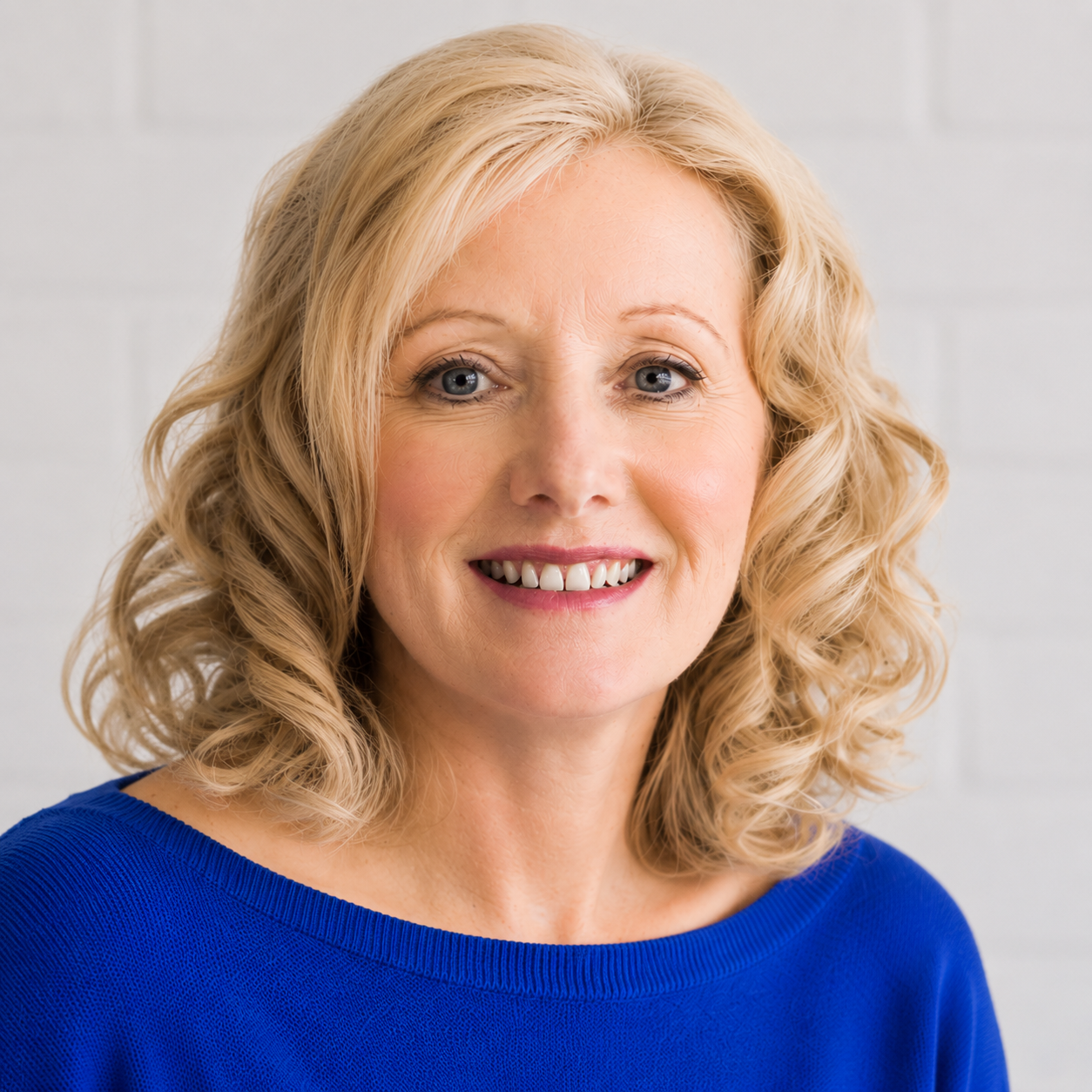
Linda is an ICF-ACC credentialled adult ADHD coach (ADHD Life & Business Coach, CALC), with lived experience of ADHD herself. She has been coaching adults with ADHD since 2000, one of the very first specialist ADHD coaches in the UK.
She works with entrepreneurs, legal and medical professionals, and others navigating demanding careers, helping them build practical strategies that fit how their brain actually works rather than fighting against it.
UK-based, supporting clients with ADHD and AuDHD worldwide on Zoom.