If you have been searching for answers about ADHD and you are a woman, you are not alone. Whether you have been recently diagnosed, are wondering whether to seek assessment, or are several years into making sense of what your diagnosis means, this guide is for you.
I have coached adults with ADHD since 2000. The largest group of clients who come to me are women in their 30s, 40s, 50s, and 60s, often diagnosed late or still wondering whether ADHD might be part of their picture. The patterns are remarkably consistent. The relief and grief of late diagnosis. The exhaustion of decades of compensating. The way perimenopause and menopause make everything harder. The wondering whether AuDHD might also be part of the story.
This guide brings together what I see day to day, with linked supporting articles for deeper reading.
This page speaks to women’s lived experience of ADHD. If you’re trans, non-binary, or were assigned female at birth and recognise yourself here, you’re welcome too.
How ADHD shows up differently in women
The popular image of ADHD is still largely a young boy who cannot sit still in a classroom. That image was built on decades of research that focused almost exclusively on boys with hyperactive presentations. The result is that the way ADHD shows up in women has been systematically under-recognised.
Women with ADHD are more likely to present with:
- Inattentive symptoms rather than overt hyperactivity. Daydreaming, difficulty sustaining attention, internal distractibility. These are quieter and easier to miss.
- High masking from a young age. Many girls with ADHD learn early to compensate, perform well enough at school, and over-function in ways that disguise the underlying difficulty.
- Emotional regulation challenges, including sensitivity to criticism (rejection sensitive dysphoria, often called RSD), big feelings that move quickly, and difficulty regulating frustration or overwhelm.
- Perfectionism and over-preparation as a compensation strategy. Many women with ADHD work twice as hard to produce the same output as their peers.
- Internal hyperactivity that does not show externally. A racing mind, an inability to switch off, restlessness that lives in thoughts rather than legs.
- Time blindness that gets misread as forgetfulness, flakiness, or selfishness.
None of this is laziness or character. It is wiring. And it is wiring that has been actively misrepresented by older literature, leaving most women without the language or the support they needed.
Why so many women are diagnosed late
Late diagnosis is the rule for women with ADHD, not the exception. The reasons run deeper than just under-recognition.
The diagnostic criteria were built around boys. ADHD was first formalised based on observations of boys with hyperactive presentations. Quiet, daydreamy girls slipped through every school’s net for decades.
Compensation was rewarded. A girl who works twice as hard, over-prepares, and seems “scatty but bright” was praised for the work, not assessed for the underlying difficulty. The over-functioning pattern became its own diagnostic camouflage.
Hormones provided a quiet support. Throughout the reproductive years, oestrogen modulates dopamine, the neurotransmitter most associated with ADHD. Many women with ADHD have managed adequately into their 30s and 40s partly because oestrogen was buffering their dopamine system, without anyone knowing it. When perimenopause begins, this support reduces, and the underlying ADHD becomes harder to hide.
Cultural expectations did the rest. Girls and women have been expected to manage households, careers, and emotional labour without complaint. ADHD difficulties were absorbed into the broader narrative of “she is just disorganised”, “she is just sensitive”, “she is just too much”.
For many women, the first real recognition comes when:
- A child is diagnosed and the patterns are recognised
- Perimenopause arrives and the strategies stop working
- Burnout arrives and the cost becomes undeniable
- A friend mentions the books they have been reading
The post on late ADHD diagnosis in women covers what often comes next once the diagnosis lands.
The diagnoses that often come first
Before ADHD is recognised, many women have already received diagnoses of anxiety, depression, eating disorders, or OCD. Sometimes more than one. The path to ADHD recognition often runs through years of mental health treatment that addressed real, painful symptoms but missed the underlying picture.
Common paths:
- Anxiety is by far the most common prior diagnosis. The chronic worry, racing thoughts, sleep difficulties, and hypervigilance are real, and often genuinely present. But for many women, the anxiety has been driven by an unsupported ADHD brain trying to hold too much together.
- Depression often arrives after years of compensating, masking, and feeling like you are never quite getting it right. The exhaustion of high-functioning ADHD can read clinically as depression, and sometimes the two are both present.
- Eating disorders are also a common path. ADHD brains can use food, or its restriction, to regulate an unmanageable internal experience, whether through dopamine-seeking, structure, control, or distraction.
- OCD is sometimes diagnosed when ADHD’s executive function difficulties drive elaborate compensation rituals or perfectionist patterns that look obsessive-compulsive.
Sometimes these conditions are genuinely also present and continue to need their own treatment alongside ADHD recognition. Other times they were the visible surface of an underlying ADHD picture that nobody had named.
Either way, the late ADHD diagnosis often reframes years of mental health treatment in a different light.
When a child’s diagnosis is the first clue
For many women, the recognition of their own ADHD comes second-hand, through their children.
A child is assessed for ADHD, autism, or another form of neurodivergence. The parent is asked about their own childhood. Old patterns get described aloud, often for the first time. And the parent leaves the appointment thinking “that was about me too”.
This is one of the most common routes to recognition in late-diagnosed women. ADHD frequently runs in families. So does autism. So does AuDHD. And it is often the next generation’s recognition that finally names what the previous generation missed.
Sometimes the recognition comes immediately. Sometimes it takes months or years to settle. Sometimes the parent’s own assessment follows. Sometimes it does not, and the parent works with self-recognition instead.
If your own diagnosis followed your child’s, you are part of a very common pattern. The intersection of parenting and recognition is its own complicated experience, with the parent often processing their own diagnosis while supporting their child’s.
The relief and the grief
Most women experience both, often in waves.
The relief is significant. Decades of “what is wrong with me?” suddenly given a different shape. The internal voice that has been very harsh for a very long time often quietens. The shame attached to specific patterns (interrupting, time blindness, missing deadlines, losing things) softens.
The grief tends to come behind the relief. Grief for the version of you that might have existed if this had been seen earlier. Grief for the parents, teachers, partners, employers who did not see what was happening. Grief for the energy you spent compensating, when you could have been spending it living.
Both responses are valid. They sit alongside each other without contradiction.
The work of integrating a late diagnosis is rarely tidy. It is also one of the most clarifying experiences many women describe.
The hormonal piece
The connection between oestrogen and ADHD is one of the most under-discussed aspects of women’s experience.
Oestrogen modulates dopamine. ADHD brains have dopamine regulation challenges. So as oestrogen levels shift, ADHD symptoms shift too.
This shows up in several ways:
- Premenstrually, when oestrogen drops, many women experience a worsening of ADHD symptoms in the week before their period.
- Postpartum, when oestrogen plummets, many women experience the first significant unmasking of ADHD difficulties, particularly when sleep deprivation is added.
- Perimenopause and menopause, when oestrogen declines progressively, many women experience the most significant intensification of symptoms of their lives. The strategies that worked for decades stop working as well.
The post on HRT and ADHD covers what we know about hormonal treatment and ADHD symptoms, and how to have the conversation with your GP. The post on perimenopause or ADHD? covers how to tell apart symptoms that look similar but have different causes.
If your symptoms are intensifying in your 40s, 50s, or 60s, the post on ADHD burnout in midlife and menopause is also worth reading.
AuDHD: when both are in the picture
For many late-diagnosed women, the picture is more layered than ADHD alone. AuDHD, the combination of autism and ADHD, is increasingly recognised in women who have spent decades being told they were “too sensitive”, “too detail-focused”, “too much”, or “not enough”.
The two conditions interact in complicated ways:
- ADHD craves novelty, autism craves predictability
- Both involve high masking, but autistic masking is more comprehensive and exhausting
- Sensory sensitivity is often a much bigger part of daily life
- The double mask drains energy faster than either condition alone
Many women only recognise AuDHD in midlife, after their child is diagnosed or after years of “almost fitting” various other diagnoses (anxiety, depression, BPD, chronic fatigue, perfectionism).
The post on AuDHD: when ADHD and autism show up together covers this picture in more depth.
If you suspect autism in addition to ADHD, raising it with your GP is worth doing. Assessment for both conditions at once is sometimes the most useful route.
RSD and the emotional layer
Rejection sensitive dysphoria, often shortened to RSD, is one of the most under-recognised parts of ADHD and one of the most life-shaping for women.
It is the intense emotional response to perceived rejection, criticism, or disapproval. For ADHD brains, this response is often stronger and harder to regulate than for neurotypical people.
Common patterns:
- A single critical email left replaying in your head for days
- Apologising excessively, then dissecting interactions for things you might have got wrong
- Avoiding pursuits where rejection is possible (job applications, dating, creative work)
- Mistaking neutral feedback for criticism
- Feeling completely hijacked by an interaction that others would shrug off
RSD shapes careers, relationships, and self-image in ways most women do not realise until they have language for it.
It does not disappear with the right strategies. But it becomes more manageable. Coaching can help with frameworks for catching the spiral early, separating the actual feedback from the meaning your brain is adding, and shortening the time you spend in distress.
Work and career patterns
Many women with ADHD reach late diagnosis after years of high-functioning compensation at work. The pattern is consistent:
- Working harder than colleagues to produce the same output
- Hyperfocusing through depletion and missing the warning signs
- Building elaborate workarounds that work for a while, then start failing
- Sliding gradually into burnout while everything still looks fine from the outside
- Eventually being signed off with stress, often more than once, before ADHD is named
The post on high-functioning ADHD burnout covers the gap between how you appear and how you actually feel. The post on signed off work with stress covers the pattern of stress sign-offs that hide an underlying ADHD picture.
If you have been through this cycle, the post on why ADHD burnout keeps happening explains why it tends to repeat without intervention. Returning to work after burnout is its own phase, covered in returning to work after ADHD burnout.
Relationships, parenting, and family
The family dimension of late diagnosis is often as significant as the personal one.
Telling your partner can be both relieving and complicated. Many partners welcome the explanation. Some struggle with what it means for the relationship’s history. Conversations about adjustments at home (planning, household admin, emotional labour) often become possible in new ways once ADHD has been named.
Parenting with ADHD is its own demanding intersection. Many late-diagnosed women only recognise ADHD in themselves after their child’s diagnosis. The combination of ADHD parent and ADHD child can be wonderful and exhausting in equal measure.
Family of origin can be more complicated. Parents who watched you struggle as a child sometimes find it hard to integrate the new explanation. Siblings may dismiss the diagnosis or recognise themselves in it. The conversations you choose to have, and not have, are entirely up to you.
There is no right way to navigate this stage. There are many possible ways.
What to do after diagnosis
If you have recently been diagnosed, or are still working out what to do with the recognition, some sensible first steps:
Read about ADHD in women specifically. Much of the older literature is based on boys and men. The presentation in women, particularly midlife women, is often quite different. The NHS pages on ADHD in adults are a sensible reference, and the NICE guidance on ADHD (NG87) is the framework GPs work within.
Decide what you want to do about medication, in your own time. Medication is one option among several. It works well for many people, less well for others. Have the conversation with your prescriber. Take the time you need to make a considered choice.
Try the free ADHD Self-Test if you have not already. It is anonymous and structured, and useful information to bring to your GP if you are still pursuing diagnosis or refining your understanding.
Look at your work and life through a different lens. What about your current setup is genuinely hard for an ADHD brain? What workarounds have you been using that are now costing too much? What might be simpler if you adjusted it rather than pushed through it?
Consider some kind of structured support. This might be coaching, therapy, peer groups, or a combination. Particularly in the first year, having a space to think this through with someone who understands ADHD can make a meaningful difference.
My free ADHD Overwhelm and Burnout Check-Up can show you whether burnout is already part of your picture.
Where coaching fits
Late diagnosis arrives at a stage of life when most women have considerable demands on them. Career, family, ageing parents, perimenopause and menopause, their own changing health. The diagnosis lands in that mix, and there is often very little time or space to do anything with it.
Coaching can be that space. Not therapy, not medical care, but a structured conversation about what this means for you, your work, your relationships, and how you want to live the next stage of your life.
I have lived experience of ADHD. I am ICF-ACC credentialled, coaching adults with ADHD since 2000. Many of my clients have been late-diagnosed women navigating exactly the territory described in this guide.
If you are a senior professional woman navigating midlife and menopause specifically, see my dedicated page on ADHD coaching for senior women in midlife and menopause.
Funding options
Privately funded. All cards and Apple Pay, in multiple currencies. Handled securely by Stripe.
Funded by Access to Work. The UK government scheme that can fund the full cost of ADHD coaching as a reasonable adjustment. Tell me at your Discovery Session.
Funded by your employer. Many UK employers fund ADHD coaching through CPD budgets, wellbeing programmes, or DEI initiatives. See my page for Employers.
If you are self-employed, the cost can often be treated as a legitimate business expense.
Frequently asked questions
Why is ADHD often missed in women?
ADHD in women often shows up as quiet inattentiveness, internal restlessness, perfectionism, emotional overwhelm, or burnout. The hyperactive boy on a school bench is still the cultural picture of ADHD. Women are more likely to be told they are anxious, overwhelmed, or trying too hard.
Can perimenopause or menopause make ADHD worse?
Yes. Oestrogen plays a role in dopamine signalling, and falling oestrogen levels through perimenopause and menopause often make ADHD symptoms harder to manage. Many women only realise they have ADHD when their long-held strategies stop working in their 40s, 50s, and 60s.
Is it ADHD, or just perimenopause or menopause?
Often the two run together. Many women find perimenopause and menopause amplify an underlying ADHD that had been quietly compensated for. A specialist assessment, ideally with someone familiar with both, can help clarify what is what.
What is rejection sensitive dysphoria (RSD)?
RSD is the intense emotional response many ADHD adults experience to perceived rejection, criticism, or failure. It is not a formal diagnosis but a widely-recognised pattern. For many women, RSD has shaped career choices and relationships long before ADHD was recognised.
What is AuDHD?
AuDHD describes the experience of being both autistic and having ADHD. It is increasingly recognised, especially among women diagnosed late. The two often coexist and the strategies for one need adapting for the other.
Should I get assessed for ADHD?
That is a decision only you can make. The free ADHD Self-Test on this site is a starting point. If the results suggest the pattern fits, a formal assessment with an ADHD specialist is the next step. Linda is a coach, not a clinician, and does not assess.
Where does coaching fit?
Coaching is for after diagnosis, alongside the process of getting one, or if you have chosen not to be diagnosed. It is the practical, daily-life work of building strategies that actually work for your brain. Not therapy. Not someone telling you what to do.
If you would like to explore whether coaching might help, I offer a free 20-minute conversation to talk it through.
See full pricing and funding options.
Book Your Free Discovery Session →
A 20-minute Zoom conversation, free, with no commitment.
Further reading
The diagnosis experience
- Late ADHD diagnosis in women: relief, grief, and what comes next
- AuDHD: when ADHD and autism show up together
The hormonal layer
- HRT and ADHD: what we know
- Perimenopause or ADHD? Telling them apart
- ADHD burnout in midlife and menopause
Work and burnout
- High-functioning ADHD burnout
- Signed off work with stress: when ADHD is part of the picture
- Why ADHD burnout keeps happening
- Returning to work after ADHD burnout
The main ADHD burnout guide brings the burnout cluster together.
Not ready for 1:1 coaching yet?
Take one of my free assessments to start understanding your own brain better. The ADHD Overwhelm and Burnout Check-Up and the How Your Brain Works snapshot are both free, take about 5 minutes each, and your results land in your inbox afterwards.
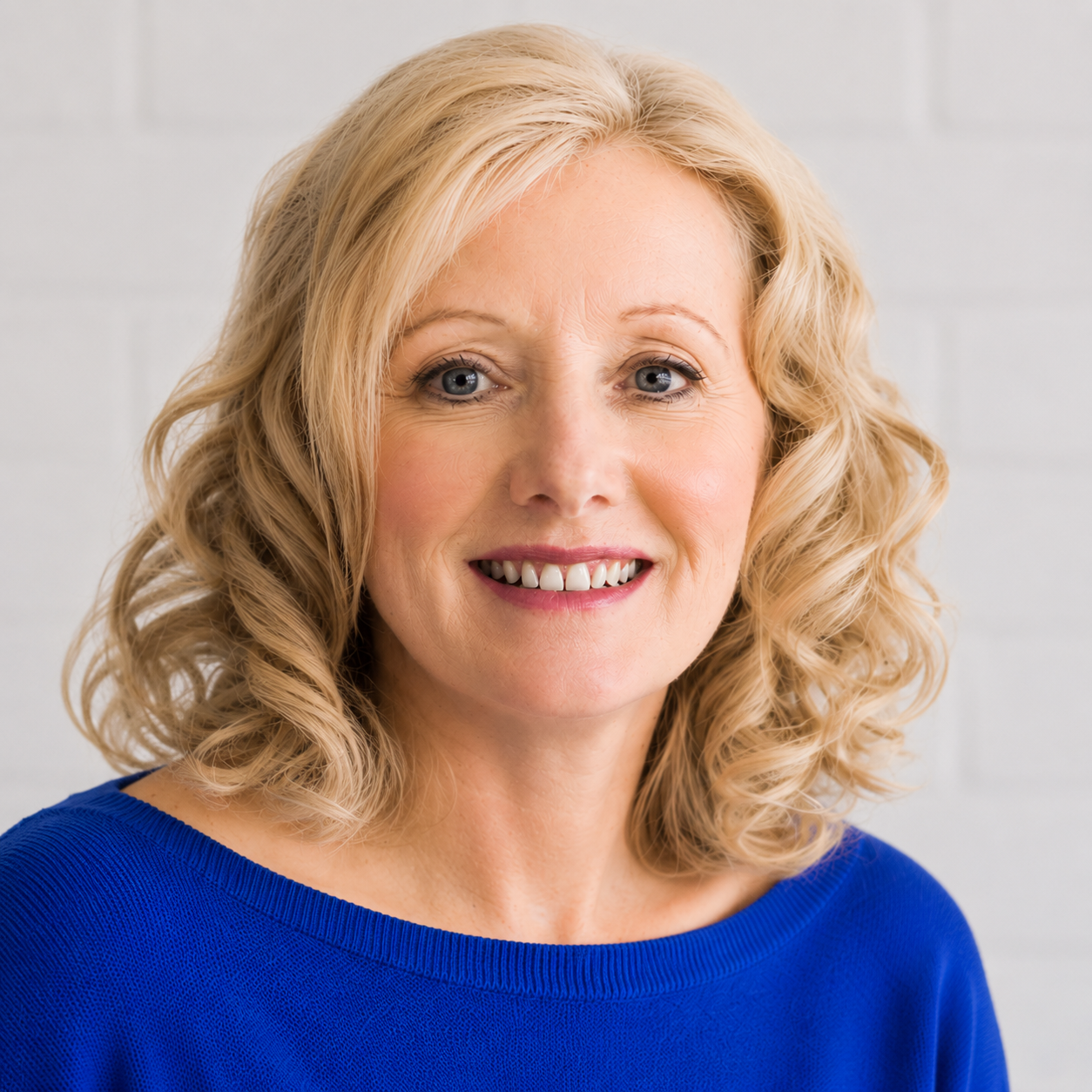
About Linda Fox
Linda is an ICF-ACC credentialled adult ADHD coach (ADHD Life & Business Coach, CALC), with lived experience of ADHD herself. She has been coaching adults with ADHD since 2000, one of the very first specialist ADHD coaches in the UK.
She works with entrepreneurs, legal and medical professionals, and others navigating demanding careers, helping them build practical strategies that fit how their brain actually works rather than fighting against it.
UK-based, supporting clients with ADHD and AuDHD worldwide on Zoom.