Prefer to listen? Your phone or computer can read this page aloud. Here's how
You used to cope. You held it all together. The career, the family, the house, the social life, the mental load. It was hard, but you managed.
Then somewhere in your late thirties or early forties, it all started to unravel. You cannot focus. You cannot remember things. You are exhausted all the time. You feel like you are failing at everything.
Your GP says it is stress. Or anxiety. Or depression. Or perimenopause. And maybe it is some of those things. But what if there is something else going on?
The pattern
There is a growing number of women being diagnosed with ADHD or AuDHD in their 40s and 50s. Not because ADHD suddenly appeared. Because the scaffolding that held everything together finally collapsed.
For years, these women compensated. They worked harder, planned more, stayed up later, got up earlier. They built elaborate systems to manage what their brains could not do automatically. And it worked. Until it did not.
This piece focuses on women’s experience because the hormone-dopamine connection is specifically female biology. Men hit the same wall in their 40s and 50s too, often via different routes (chronic overwork, unravelling identity post-promotion or post-children-leaving, addiction patterns). The masking story is universal; the hormones in this article are women-specific.
If you are specifically in your 50s, Why Successful Women Hit a Wall in Their 50s goes deeper into how decades of masking catch up at midlife.
Not sure where you are with burnout?
Take the free Am I Burnt Out? self-test. Five short sections, and you will get your personal results for where you are right now, plus tailored guidance for where to focus first.
Why now?
Several things often happen at once in your late thirties and forties:
- Children get older and their needs get more complex (homework, schedules, emotions)
- Career responsibilities increase
- Ageing parents need support
- The mental load grows but the support does not
- And, critically, hormones start to shift
The oestrogen connection
This is the piece that changes everything. Oestrogen supports dopamine production in the brain. Dopamine is the neurotransmitter responsible for focus, motivation, working memory, and emotional regulation, exactly the things ADHD affects.
When oestrogen levels are high, dopamine is more available, and ADHD symptoms are easier to manage. When oestrogen drops, as it does during perimenopause, dopamine drops with it. And suddenly, the strategies that worked for decades stop working.
As Dr Ellen Littman, a clinical psychologist and pioneer in ADHD gender differences, explains: oestrogen is neuroprotective. When it drops, cognition, mood, sleep, and ADHD symptoms are all affected.
Research shows that perimenopausal symptoms in women with ADHD are more severe and can begin up to 10 years earlier than in women without ADHD.
Why it gets missed
ADHD or AuDHD in women often presents differently. Less hyperactivity, more internal chaos. The symptoms look like anxiety, depression, or burnout. And when a woman in her 40s goes to her GP saying she cannot cope, the conversation rarely turns to ADHD.
Perimenopause symptoms also overlap with ADHD: brain fog, memory problems, mood swings, sleep difficulties, overwhelm. It is easy to attribute everything to hormones and miss the ADHD underneath.
What to look for
If you recognise several of these, it might be worth exploring further:
- You have always worked harder than everyone else to achieve the same results
- You have been called “too sensitive”, “too emotional”, or “too intense”
- Organisation has always been difficult but you developed systems to cope
- You are increasingly forgetful, scattered, or overwhelmed
- You feel like you are running on empty but cannot explain why
- Your symptoms have got noticeably worse in the last few years
- You have been treated for anxiety or depression but it never quite resolved things
What you can do
You don’t need a formal diagnosis to start exploring what would help. If you recognise yourself here, the strategies below apply just as well to self-identifying women as to formally diagnosed ones.
- Speak to your GP. Ask specifically about ADHD or AuDHD. Many GPs are not yet aware of how it presents in women, so you may need to advocate for yourself.
- Track your symptoms across your cycle. If your focus, mood, and energy shift predictably with your cycle, that is useful information for a clinician.
- Consider HRT alongside ADHD support. For some women, hormone replacement therapy stabilises the oestrogen-dopamine relationship enough to make ADHD manageable again. This needs medical guidance.
- Exercise. Movement increases dopamine naturally. It is one of the most effective things you can do right now, today, without waiting for a diagnosis.
- Work with someone who understands. An ADHD coach who works with neurodivergent women can help you rebuild the systems that have stopped working and find new strategies for this stage of life.
You are not falling apart
You are a woman whose brain has been working in overdrive for decades, and the support system your body provided is changing. That is not a failure. It is biology.
Understanding what is happening is the first step to getting the right help.
Back From Burnout: the recovery programme
My self-paced recovery programme for adults with ADHD or AuDHD: nine short modules, twenty-two practical tools and one personal recovery plan, built for a brain with very little energy left. £97, or £447 with three coaching sessions with me.
If you would like support building strategies that work for your brain:
Book Your Free Discovery Session →
Get the free guide, and join my weekly newsletter
Sign up and I will send you my free guide, 5 ADHD-Friendly Organisation Hacks (and how to make them stick), straight away. You will also join my weekly newsletter with practical strategies for adults with ADHD and AuDHD. Unsubscribe any time.
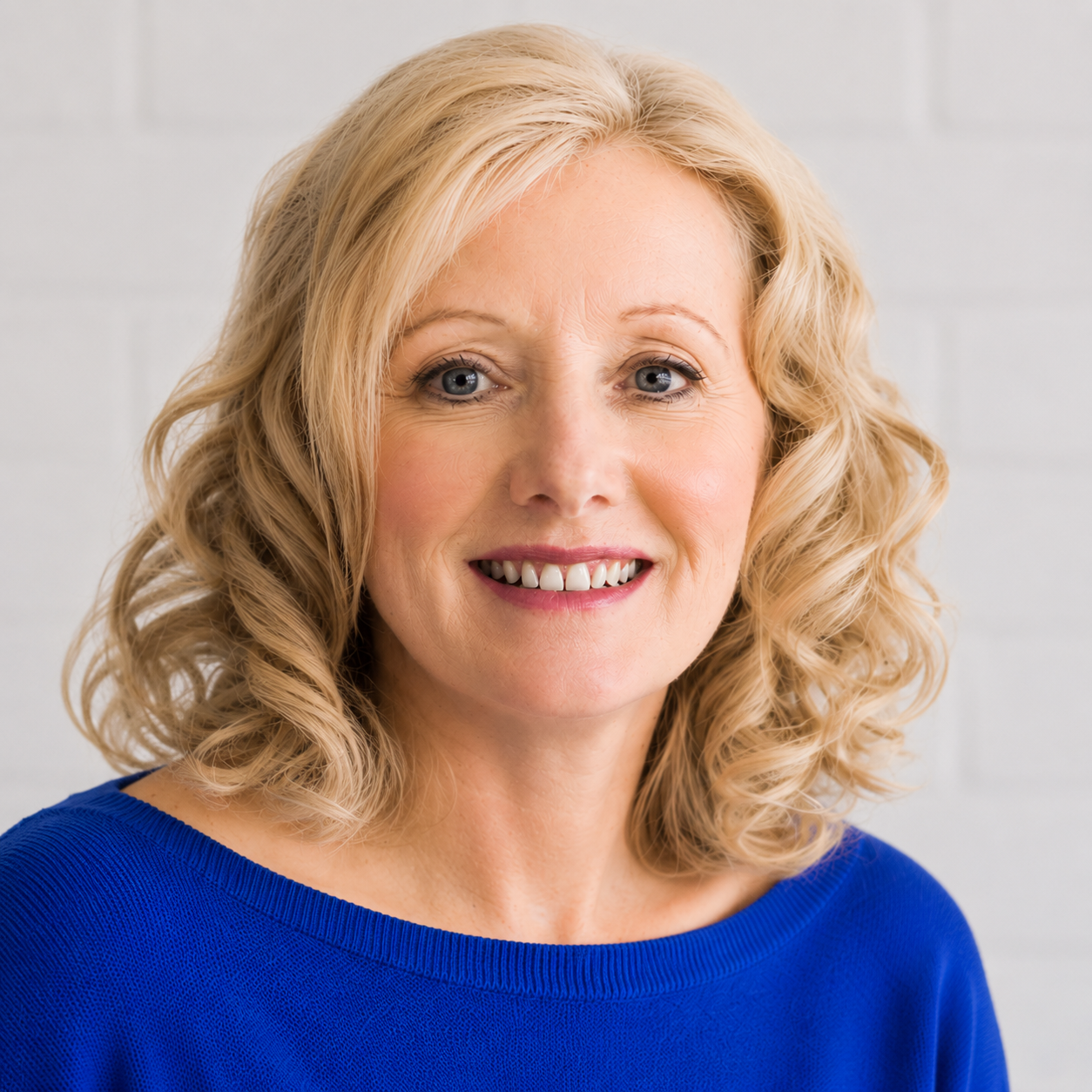
About Linda Fox
Linda is an ICF-ACC credentialled adult ADHD coach (ADHD Life & Business Coach, CALC), with lived experience of ADHD herself. She has been coaching adults with ADHD since 2000, one of the very first specialist ADHD coaches in the UK.
She works with entrepreneurs, legal and medical professionals, and others navigating demanding careers, helping them build practical strategies that fit how their brain actually works rather than fighting against it.
UK-based, supporting clients with ADHD and AuDHD worldwide on Zoom.