Prefer to listen? Your phone or computer can read this page aloud. Here's how
Someone makes an offhand comment. It was nothing. They have already forgotten they said it. But you have not. It is replaying in your head on a loop. Your chest tightens. Your face burns. You feel like you have been punched.
Welcome to Rejection Sensitive Dysphoria.
When you understand what is happening, the spiral gets shorter and your recovery time drops.
What is RSD?
RSD is an intense emotional response to real or perceived rejection, criticism, or failure. It is not just feeling a bit hurt. It is a physical, overwhelming wave of pain that can hit in seconds and take hours or days to recover from.
It is not a formal diagnosis. But it is one of the most common and disruptive parts of living with ADHD or AuDHD. Almost everyone with ADHD experiences some form of rejection sensitivity.
What it feels like
People describe it differently, but common experiences include:
- A single piece of feedback ruins your entire day
- You replay conversations for hours, looking for signs that someone is upset with you
- You feel physically sick when you think someone is disappointed in you
- You avoid putting yourself forward because the risk of rejection feels unbearable
- You overachieve to make sure nobody can criticise you, then burn out from the effort
- A friend not replying to a message feels like they no longer want to know you
From the outside, it looks like overreacting. From the inside, it is agony.
Why people do not understand
The problem with RSD is that the trigger is often invisible to everyone else. Someone says “maybe try it a different way” and your brain hears “you are not good enough.” The gap between the trigger and the response is so huge that people around you cannot make sense of it.
So they tell you that you are too sensitive. That you need thicker skin. That it was not a big deal.
Which, of course, makes it worse.
It is not a personality flaw
RSD is neurological, not emotional weakness. Neurodivergent brains process emotional information differently. The part of your brain that registers social threat fires harder and faster than it does in neurotypical people.
You are not choosing to feel this way. Your brain is doing it before you even have time to think.
Since 2000, coaching ADHD professionals, RSD comes up almost universally. It is not a sign of fragility. It is a sign that your brain is wired for sensitivity to rejection, and the people who recognise it stop blaming themselves for the spiral.
What helps
- Name it. Just knowing that RSD exists and that it is part of your neurodivergence can take the shame out of it. You are not broken. Your brain processes rejection differently.
- Pause before responding. RSD hits fast. If you can build in a gap between the trigger and your response, even ten minutes, the intensity often drops.
- Check the evidence. When your brain says “they hate you,” ask yourself: what did they actually say? Is there another explanation? This does not make the feeling go away, but it stops you acting on it.
- Tell the people close to you. If your partner, friend, or colleague understands that you experience RSD, they can adjust how they give feedback and recognise when you are in a spiral.
- Move your body. Movement directly increases dopamine, which helps regulate emotional responses. It is not a cure, but it builds resilience over time.
You are not overreacting
You are experiencing something real, something intense, and something that most people around you cannot see. Understanding RSD does not make it disappear. But it does help you stop blaming yourself for feeling things so deeply.
What to do next
If you recognise yourself here, the free Rejection Sensitivity Quiz is a simple way to see how it shows up for you. About five minutes, no right or wrong answers.
For the fuller picture of how rejection sensitivity connects to ADHD and AuDHD brains, have a read of the main guide on rejection sensitivity and ADHD.
And if coaching sounds like the right next step, a Discovery Session is a short, confidential conversation on Zoom to see whether we would be a good fit.
Book Your Free Discovery Session →
Get the free guide, and join my weekly newsletter
Sign up and I will send you my free guide, 5 ADHD-Friendly Organisation Hacks (and how to make them stick), straight away. You will also join my weekly newsletter with practical strategies for adults with ADHD and AuDHD. Unsubscribe any time.
About Linda Fox
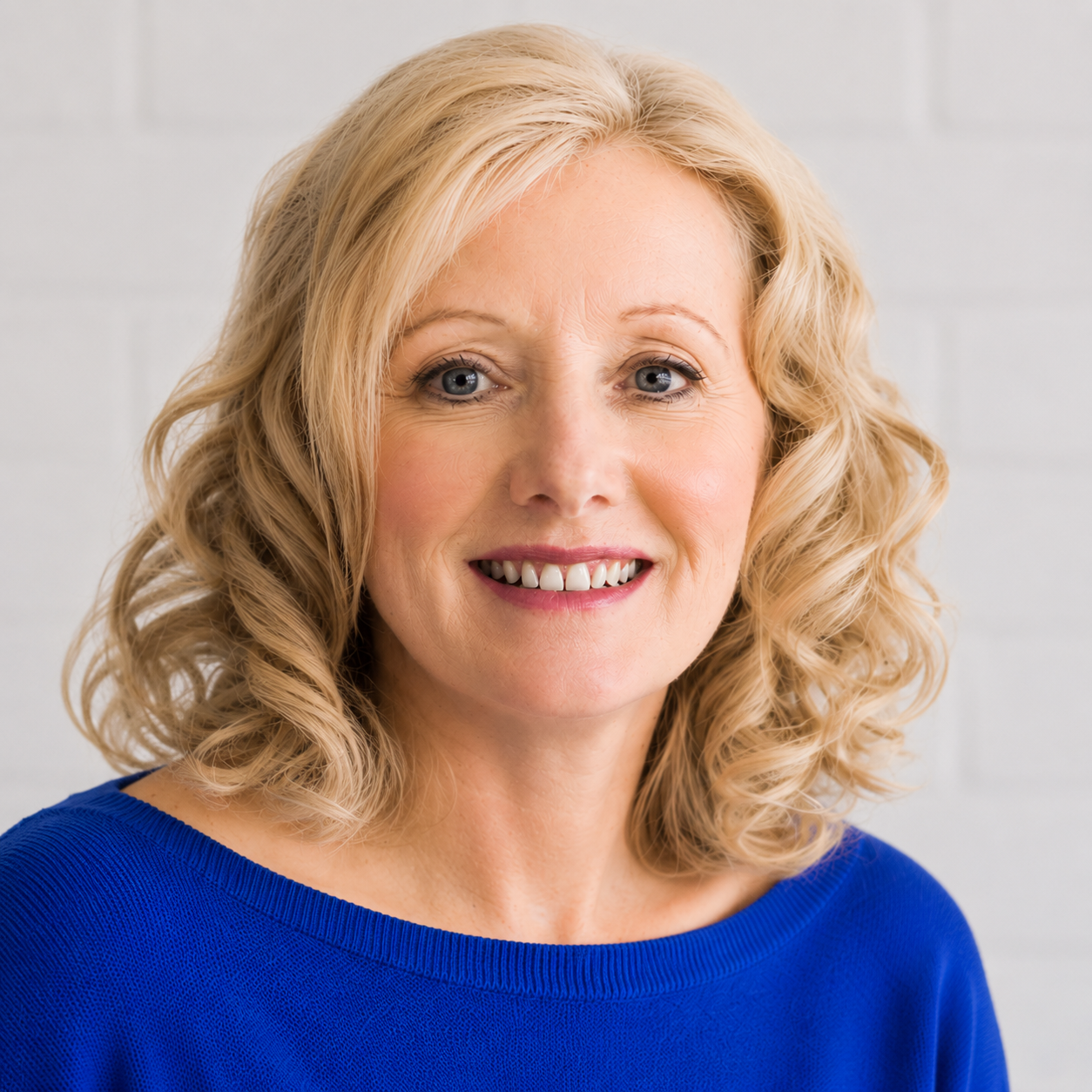
Linda is an ICF-ACC credentialled adult ADHD coach (ADHD Life & Business Coach, CALC), with lived experience of ADHD herself. She has been coaching adults with ADHD since 2000, one of the very first specialist ADHD coaches in the UK.
She works with entrepreneurs, legal and medical professionals, and others navigating demanding careers, helping them build practical strategies that fit how their brain actually works rather than fighting against it.
UK-based, supporting clients with ADHD and AuDHD worldwide on Zoom.