Prefer to listen? Your phone or computer can read this page aloud. Here's how
You expected the diagnosis to feel like an answer. It is more the start of one. Then come the questions nobody prepared you for.
If you have recently been diagnosed with ADHD or AuDHD, or you have quietly recognised yourself and stopped waiting for permission, you may have assumed the hard part was getting here. In truth, the year that follows has stages of its own. Knowing what tends to happen makes it far less bewildering.
First, the relief. It is real, and it is allowed
For most people the first feeling is relief. There is a reason. It was never laziness, or a character flaw, or the thing that teacher said in 1994. Your brain has always worked this way, and now it has a name.
Let yourself have that. So many adults reach diagnosis after years of being told to try harder, and the relief of an explanation is not something to rush past. It is the ground everything else is built on.
Then, the grief nobody mentions
Here is the bit that catches people off guard. Underneath the relief, or arriving a few weeks later, there is often grief.
You start doing the maths on the years before you knew. The exams you could have passed with support. The job you left because the environment was impossible, not because you failed. The friendships that frayed when your energy ran out and you had no words for why.
This grief is not self-pity. It is a real reckoning with a life lived without the map. It tends to come in waves rather than one clean cry, and it can sit oddly alongside the relief, both true at once. That is normal. Let it move through rather than talking yourself out of it.
Rereading your whole life
Somewhere in the first months, most people go back through their history and reread it with the new information. The report cards that said “not living up to potential”. The way you always over-prepared or under-prepared, never in between. The reason certain rooms and certain jobs drained you to nothing.
This rereading is some of the most useful work you will do. You are not rewriting the past to feel better about it. You are finally seeing the pattern, and a pattern you can see is one you can plan around.
If you were given a full report, it is worth going back to it more than once. There is often more in it than you could take in on the first reading.
It helps to understand how your particular brain is wired, because ADHD and AuDHD look different in every person. Many of us also have other elements to how our brains work, dyslexia, dyscalculia, dyspraxia, anxiety and more. They are all part of the whole picture to understand. A short look at your own strengths and sticking points can turn a vague sense of “so that is why” into something you can actually use.
The identity wobble
There is often a stretch where you are not sure who you are any more. If the thing you thought was a personal failing was ADHD or AuDHD all along, then what was you, and what was the condition?
This settles. What tends to happen is that you stop dividing yourself into “me” and “my ADHD” and start seeing one person who works in a particular way. Some of it you will want to support. Some of it, the hyperfocus, the pattern-spotting, the ideas that arrive sideways, you will want to protect. It is all you.
The “now what” that no report answers

The diagnosis report explains why. It does not tell you what to do on Monday morning.
This is the phase people find quietly frustrating, because the emotional part is easing and the practical part has barely started. A few things genuinely help here.
Go slowly. You do not have to overhaul your whole life overnight. Pick one friction point, the mornings, the admin pile, the way work spills into every evening, and change only that.
Build the structure to fit your brain, not the brain you were told you should have. The systems that work for you may look nothing like the tidy advice online, and that is fine if they work.
Tell the people who matter, in your own time. You do not owe anyone the news, but the right person knowing can change how supported you feel day to day.
Expect it to be uneven. Some weeks you will feel like you have cracked it. Others you will forget everything you learned. That is not failure, that is how new habits bed in for a brain like yours.
Where support fits
Plenty of people navigate the first year on their own with reading, community and time, and do well. Others find that having someone alongside them makes the difference between understanding the theory and actually changing something.
That is much of what I do. Working one to one with a coach who has ADHD herself is not about being fixed, because you are not broken. It is about building the practical structure and the self-understanding that lets you spend your energy on what you actually want, rather than on holding everything together.
If you are self-employed, running a business, or holding down a demanding professional role, the first year can feel especially exposed, because there is no HR department and no one to catch the dropped balls but you. That is worth taking seriously, and it is workable.
The honest reassurance
The first year is a lot. Relief, grief, rereading, wobbling, and then the slow practical work of building a life that fits. It rarely arrives in neat order, and it does not need to.
What I can tell you, from years of walking alongside people through exactly this, is that it settles. The grief softens. The rereading becomes useful rather than painful. And the person who comes out the other side usually likes their own brain a good deal more than the person who went in.
Considering 1:1 coaching?
If you are seriously thinking about coaching for yourself, a free Discovery session is a relaxed conversation on Zoom about what is going on for you, and whether working together is the right next step.
Book Your Free Discovery Session
Get the free guide, and join my weekly newsletter
Sign up and I will send you my free guide, 5 ADHD-Friendly Organisation Hacks (and how to make them stick), straight away. You will also join my weekly newsletter with practical strategies for adults with ADHD and AuDHD. Unsubscribe any time.
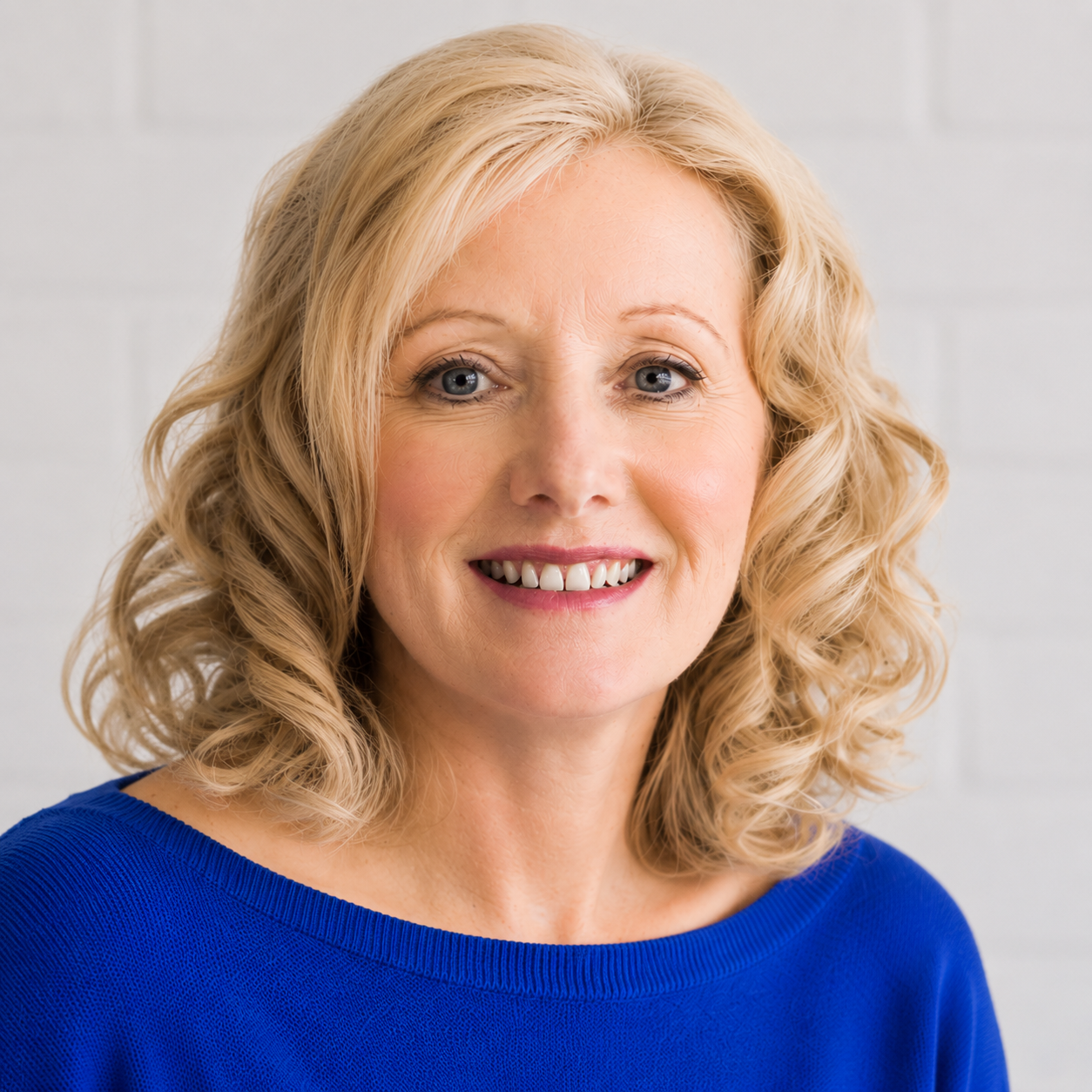
About Linda Fox
Linda is an ICF-ACC credentialled adult ADHD coach (ADHD Life & Business Coach, CALC), with lived experience of ADHD herself. She has been coaching adults with ADHD since 2000, one of the very first specialist ADHD coaches in the UK.
She works with entrepreneurs, legal and medical professionals, and others navigating demanding careers, helping them build practical strategies that fit how their brain actually works rather than fighting against it.
UK-based, supporting clients with ADHD and AuDHD worldwide on Zoom.