Prefer to listen? Your phone or computer can read this page aloud. Here's how
You get to the end of the day and cannot point to a single thing you actually finished. You were busy the whole time. You barely stopped. And yet the list is longer than it was this morning, and the one thing that mattered is still sitting there, untouched.
If that is a familiar feeling, this post is for you. There is another way to run a day, and for a lot of people with ADHD or AuDHD it changes everything.
Why the to-do list never shrinks
ADHD and AuDHD brains are wonderful at adding things. Every morning arrives with fresh ideas, remembered errands, and half-finished plans from last week that suddenly feel urgent again.
So the list grows. It grows faster than you can ever cross things off. By the time you sit down to work, the day is already full, and everything on the page is shouting at the same volume.
Then, somewhere around four in the afternoon, you feel like you have been running hard and got nowhere. That is not a character flaw. That is simply what happens when a brain is asked to chase ten things at once and finishes none of them. Attention gets spread so thin that nothing lands.
What a one-thing day actually is
The night before, you choose one thing. One meaningful task for tomorrow. Not a shortlist. Not “one big thing and a few small ones”. One.
The next day, you do that thing. It might take an hour. It might take four. The size does not matter, and neither does how it compares to what someone else got done.
Then you stop. The rest of the day belongs to whatever it belongs to. No new tasks quietly promoted to urgent. No low hum of guilt about the other seventeen things you could be doing. The one thing was the point of the day, and once it is done, the day has done its job.
It sounds almost too simple to help. That is usually the sign that it might.
What it can look like in real life
One-thing days look different for everyone. Here are a few from conversations I have had over the years.
- Writing the proposal that had been sitting in draft for three weeks. Nothing else that day. Just that.
- Clearing the admin dread: booking the dentist, then the doctor, then finally phoning about a bill. Three small jobs, but they belonged together as one knot to untangle.
- Finishing one chapter of a report. Not the whole report. One chapter, and calling it a good day.
- Sorting the pile of paperwork on the kitchen table that had been making the whole room feel heavy for a month.
Notice that none of these are enormous. The magic is not in the size of the task. It is in giving one thing your whole attention instead of splitting it across everything.
Why naming it the night before matters
The choosing is the part people skip, and it is the part that makes it work.
In the scramble of a Tuesday morning, everything feels equally important, which is exactly why nothing gets chosen. Your brain is already busy, already reacting, already behind. That is the worst possible moment to make a calm decision about what matters most.
The evening before is different. The pressure is off. You can look at the week honestly and ask a quieter question: if I only managed one thing tomorrow, which one would make the biggest difference to me? Write it down where you will see it first thing. Then let the rest go for the night.
Understanding how your own attention works is a big part of this, and it is different for everyone. If you are curious about your own pattern, my free quick snapshot of how your brain works is a useful place to begin.
The guilt is part of it
Here is the honest bit. Even when you finish your one thing, the voice will probably still turn up. The one that says you should have done more, that other people manage so much more than this, that one task is not enough.
You do not have to win an argument with that voice. You do not have to prove it wrong. Just notice it, let it say its piece, and then come back to the fact in front of you. You decided on one thing, and you did it. That is a whole day, honestly counted.
Over time, something quietly shifts. You start to trust that you can finish what you set out to do, because you keep giving yourself tasks you can actually finish. That trust is worth far more than another frantic day of half-done everything.
When to reach for a one-thing day
You do not have to run every day like this. Some weeks genuinely need more. But a one-thing day is a good friend to have on the days when your capacity is low, when you are close to overwhelm, or when one important task keeps slipping because everything around it is so loud.
On those days, doing less on purpose is not giving up. It is choosing to finish something instead of touching everything. For a lot of people with ADHD or AuDHD, that single shift is the difference between a day that drains them and a day that leaves them feeling capable. They earn their keep especially in the summer holiday weeks, when routine loosens and days lose their shape.
If this way of working speaks to you and you would like support building more of it into your life and work, that is a lot of what my one-to-one coaching is about: finding the approaches that fit how your brain actually works, rather than fighting it.
Considering 1:1 coaching?
If you are seriously considering one-to-one coaching for yourself, a Discovery Session is the place to start. It is a short conversation to see whether we would be a good fit to work together. Twenty minutes on Zoom, free.
Get the free guide, and join my weekly newsletter
Sign up and I will send you my free guide, 5 ADHD-Friendly Organisation Hacks (and how to make them stick), straight away. You will also join my weekly newsletter with practical strategies for adults with ADHD and AuDHD. Unsubscribe any time.
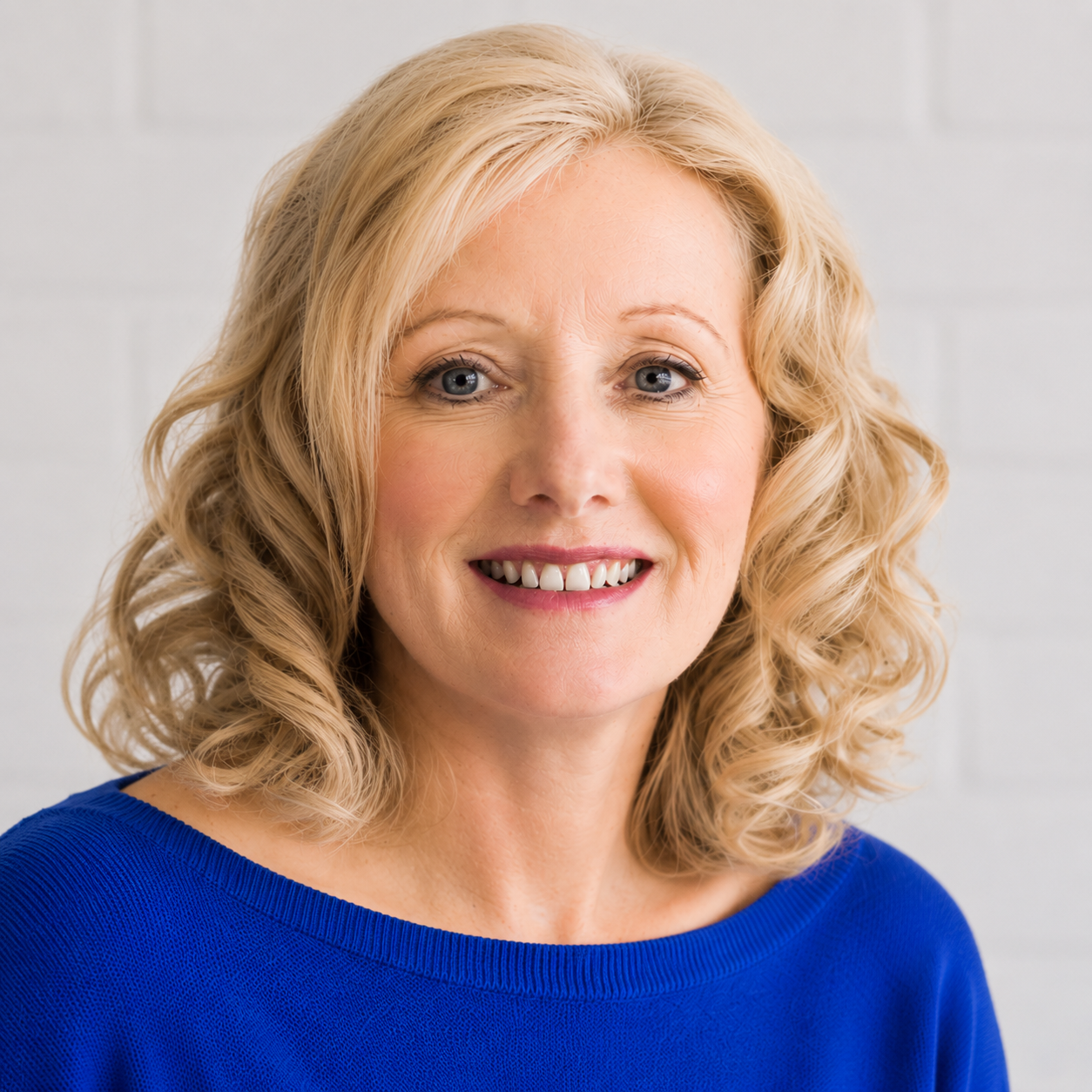
About Linda Fox
Linda is an ICF-ACC credentialled adult ADHD coach (ADHD Life & Business Coach, CALC), with lived experience of ADHD herself. She has been coaching adults with ADHD since 2000, one of the very first specialist ADHD coaches in the UK.
She works with entrepreneurs, legal and medical professionals, and others navigating demanding careers, helping them build practical strategies that fit how their brain actually works rather than fighting against it.
UK-based, supporting clients with ADHD and AuDHD worldwide on Zoom.