Prefer to listen? Your phone or computer can read this page aloud. Here's how
Autumn is closer than it feels. So is the end of British Summer Time, the shorter days, and the particular kind of flatness that autumn can bring for ADHD and AuDHD brains.
Now, while you still have the energy, is the right time to put a few things in place. Not because you have to, but because future you will be grateful.
Why autumn is harder with ADHD
The research on this is still developing, but for many adults with ADHD, autumn and winter bring a noticeable shift. Less natural light affects dopamine and serotonin production, which matters because dopamine regulation is already something ADHD brains find harder.
Add to that the disruption to sleep patterns as the mornings get darker, and the reduced opportunity for outdoor movement, and the conditions that help your brain function well start to erode.
If you are AuDHD, there is often more going on. Autumn changes the sensory world around you. Heavier clothes and scratchy layers, cold hands, the dry air of central heating, darker rooms under artificial light, and more time indoors with more noise.
None of these is big on its own. Together they add to the load, usually without anyone noticing why you feel more tired, including you.
None of this is inevitable. But it is predictable, and predictable things can be prepared for.
Three small anchors to put in place now
These are not a productivity system. They are simple, sustainable things you can establish now, while the energy is still here, so they are already part of your rhythm by the time November arrives.
A morning light routine
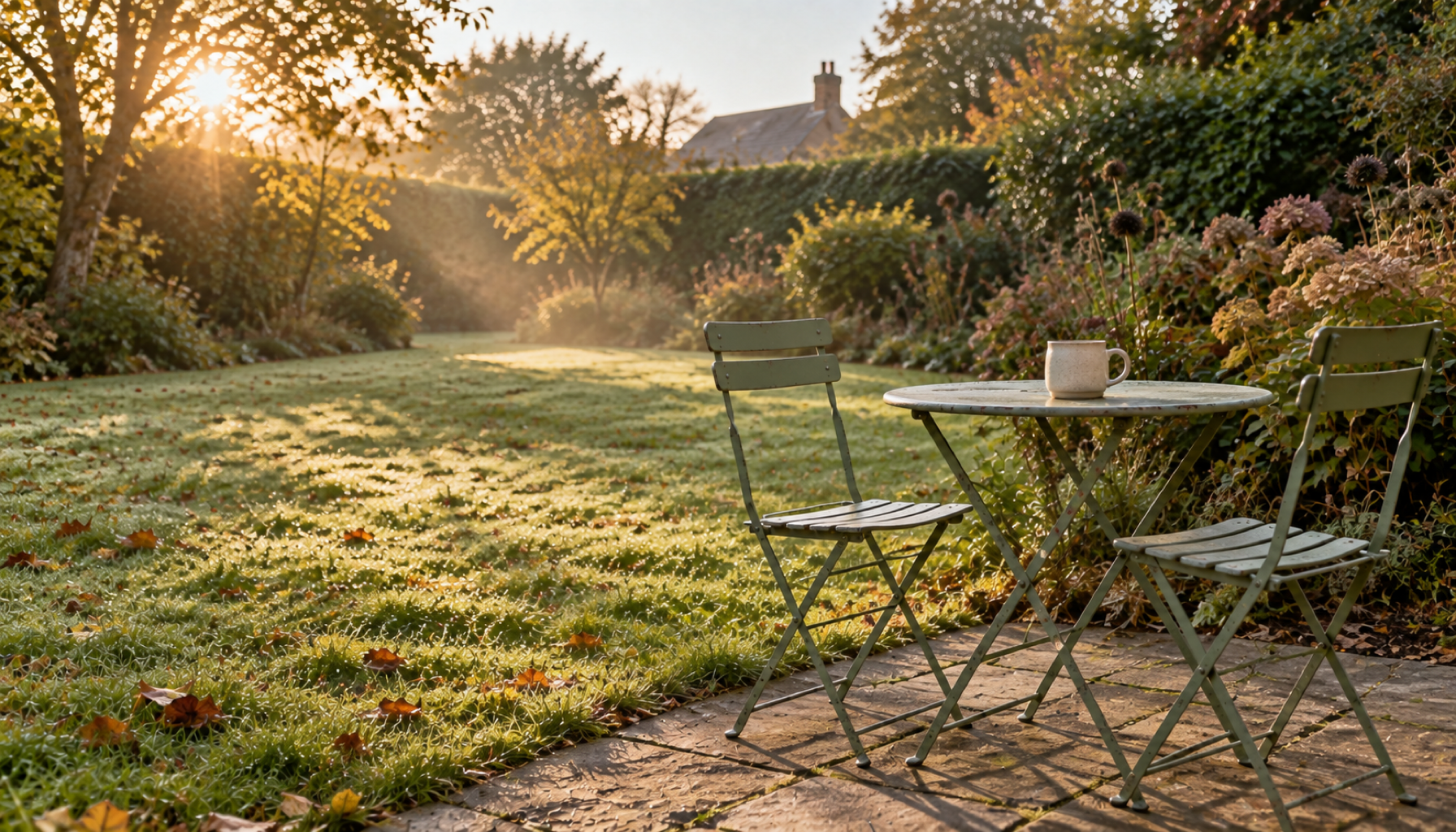
Getting outside within the first hour of your day, even for ten minutes, makes a genuine difference to how your brain manages energy and mood across the day. It does not have to be a walk. Standing with a cup of tea in the garden counts. The key is light, early, before screens.
If getting outside first thing is not realistic, a light therapy lamp on your desk can help. These are sometimes called SAD lamps, and brands such as Lumie make them for exactly this time of year. Many people find that sitting near one for a short while each morning, over breakfast or while they check emails, makes a noticeable difference to their energy. If you have an eye condition, bipolar disorder or take medication that makes you sensitive to light, check with your GP first.
To make it stick, attach it to something you already do. Take your first drink outside, or open the back door while the kettle boils and stand in the doorway. A habit that hangs off an existing one is far more likely to survive a grey Tuesday in November than one that relies on remembering.
A weekly connection point
Isolation is one of the quieter risks of autumn, especially if you work alone. Identify one fixed point in your week where you are with other people, whether that is a standing call with a friend, a class, a group, or a co-working session. Put it in the diary now, while booking it feels easy.
Choose something that happens whether or not you feel like it. A class you have already paid for, a friend who will notice if you do not turn up, a regular co-working slot. On low days your motivation will not get you there, so let the arrangement do that job instead.
A once-a-week rest ritual
Not a luxury. A tool. Choose one slot per week, ideally the same time each week, that is protected for rest, not productivity. This matters for ADHD brains in particular because the tendency to push through fatigue is strong, and the consequences of not resting compound quickly in the darker months.
Rest for an ADHD or AuDHD brain does not always mean lying still. For some people it is a slow walk with no podcast, a bath, cooking something simple, or an hour in a quiet room with the phone in another one.
The test is how you feel afterwards. If you come away calmer and a little more like yourself, it counted.
When the clocks go back
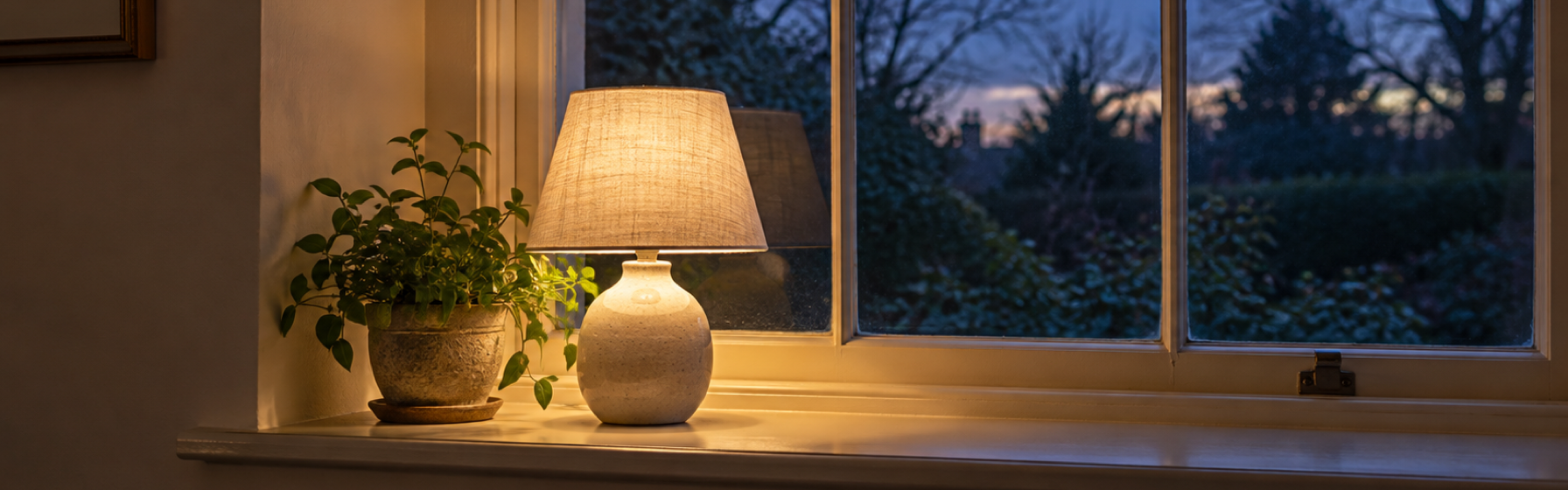
In the UK, the clocks go back on Sunday 25th October this year. For many people with ADHD, the week after the change is the hardest week of the autumn. Sleep shifts, evenings suddenly arrive at teatime, and routines that were quietly working stop.
A few things help:
- Move your bedtime a little earlier over the few nights before, so the change is smaller when it comes.
- Keep your morning light routine exactly the same that week. It is the anchor that helps your body clock catch up.
- Plan a lighter week if you can. Expect a dip rather than being caught out by it, and it tends to pass more quickly.
When it is more than the time of year
Feeling flatter in autumn is common. But if a low mood lasts for weeks, if you are sleeping far more or far less than usual, losing interest in things you normally enjoy, or finding it hard to get through the day, that is more than the time of year.
Seasonal affective disorder is a recognised form of depression, and it is worth talking to your GP about. The same goes for any change in how your ADHD medication seems to be working as the seasons turn. You do not have to wait until things are bad to ask for help.
If you ever feel unsafe, call NHS 111 or Samaritans on 116 123, any time of day or night.
Getting ahead, not just coping
The goal here is not to manage the winter when it arrives. It is to give yourself a better starting position before it does.
Pick one of the three anchors and start it this week. One is enough. Once it feels normal, add the next.
FAQs
Is it seasonal low mood or my ADHD?
It can be hard to tell, and it is often both. ADHD is with you all year, though it can feel heavier when your energy is low. Seasonal low mood usually follows a pattern, arriving as the days shorten and lifting in the spring. If you notice the same dip every autumn, mention it to your GP, who can help you work out what is going on.
Do light therapy lamps actually help?
Many people find them useful, and they are a common suggestion for seasonal low mood. They will not solve everything, and they suit some people better than others. Use one in the morning, never later in the day, as it influences your circadian rhythms and can affect your sleep. If you have an eye condition, bipolar disorder or take medication that makes you sensitive to light, check with your GP before you start.
Does ADHD medication work differently in winter?
Some people notice their medication feels less effective when they are tired, sleeping badly or getting less daylight. That is worth raising with your prescriber rather than changing anything yourself. Coaching can help with the routines around it, but decisions about medication belong with your prescriber.
Can coaching help with the darker months?
Coaching will not change the weather, but it can help you build routines that hold up when your energy drops, and help you notice your own early warning signs sooner. Autumn can be a good time to start, because the patterns are easier to see.
Considering 1:1 coaching?
If you are seriously considering one-to-one coaching for yourself, a Discovery Session is the place to start. It is a short conversation to see whether we would be a good fit to work together. Twenty minutes on Zoom, free.
Get the free guide, and join my weekly newsletter
Sign up and I will send you my free guide, 5 ADHD-Friendly Organisation Hacks (and how to make them stick), straight away. You will also join my weekly newsletter with practical strategies for adults with ADHD and AuDHD. Unsubscribe any time.

About Linda Fox
Linda is an ICF-ACC credentialled adult ADHD coach (ADHD Life & Business Coach, CALC), with lived experience of ADHD herself. She has been coaching adults with ADHD since 2000, one of the very first specialist ADHD coaches in the UK.
She works with entrepreneurs, legal and medical professionals, and others navigating demanding careers, helping them build practical strategies that fit how their brain actually works rather than fighting against it.
UK-based, supporting clients with ADHD and AuDHD worldwide on Zoom.